
 Adam Mitchell, IBAO Young Broker of the Year 2019
 Ontario Trucking Insurance is a network of RIBO-licensed insurance brokers specializing in commercial trucking. All content is written and reviewed by active industry professionals with direct underwriting experience. Expert review by Adam Mitchell, IBAO Young Broker of the Year 2019 (Mitch Insurance Brokers), edited by Joanna Mendonca (Staebler Insurance). Our editorial standards →
Key Takeaway: Standard commercial truck insurance is insufficient for tanker operations in Ontario; you must have specific environmental liability coverage (like the SEF 99 endorsement) to cover cleanup costs from spills, which can easily exceed $1 million. This specialized policy is often required by shippers and mandated by the Ministry of Transportation (MTO) for hauling designated hazardous materials under the Transportation of Dangerous Goods Act. Without it, a single accident could lead to financial ruin from cleanup costs, regulatory fines, and civil liability.

Specialized equipment on tanker trucks requires equally specialized insurance coverage.
What Is Tanker Truck Insurance?
Tanker truck insurance isn't a single policy, but a specialized bundle of coverages designed for the high-risk job of hauling liquids, chemicals, gases, and hazardous materials in Ontario. It starts with standard commercial auto insurance but adds crucial layers of protection that address the unique dangers of spills, contamination, and environmental damage.
A simple collision for a dry van might cost tens of thousands in damages; a similar incident for a tanker can result in millions of dollars in cleanup costs and fines. This is why insurers treat tankers as a highly specialized risk class.
A Tanker Insurance Policy Typically Bundles:
- Pollution Liability: The cornerstone of tanker insurance. Covers cleanup costs, environmental fines, and damages from the release of pollutants.
- Loading & Unloading Coverage: Protects against spills, leaks, or accidents that occur while transferring product to or from the tanker.
- Commercial Auto Liability: Standard coverage for bodily injury and property damage caused by your truck in an accident. Minimums are often higher for tankers.
- Cargo Insurance: Covers loss or damage to the specific product you're hauling, with options for contamination and spoilage.
- Physical Damage: Protects your investment in the expensive tractor and the specialized tanker trailer itself against collision or theft.
- Trailer Interchange: Essential if you are hauling tankers that you do not own.
What's Typically NOT Covered
Standard policies often exclude intentional dumping of pollutants, gradual leaks due to poor maintenance, and liability from certain highly volatile materials unless a specific endorsement is purchased. Always review your policy's exclusions with your broker.
4 Core Reasons You Need Specialized Tanker Coverage
Regulatory Compliance
Ontario's Environmental Protection Act and Canada's Transportation of Dangerous Goods Act impose severe penalties for spills. A valid insurance policy with pollution coverage is essential to maintain your CVOR certificate in good standing when hauling regulated goods.
Catastrophic Cleanup Costs
A major spill on a highway like the QEW or 401 can cost over $1 million for cleanup, soil remediation, and emergency services. Standard liability policies do not cover this. Pollution liability is the only way to protect your business from this exposure.
Shipper & Contract Requirements
Virtually all major shippers of liquids in Ontario (e.g., fuel depots, chemical plants, food processors) will refuse to load your truck unless you provide a certificate of insurance showing specific pollution and cargo liability limits, often $2M or more.
Protecting High-Value Assets
Specialized tanker trailers can cost anywhere from $80,000 to over $250,000. A total loss from a rollover or fire could be a business-ending event without proper Physical Damage coverage for both the tractor and the trailer.
How Much Does Tanker Truck Insurance Cost in Ontario?
Premiums for tanker trucks are among the highest in the trucking industry due to the elevated risk. An owner-operator with a clean record hauling non-hazardous materials locally can expect to pay between $14,000 and $25,000 per year. For carriers hauling fuel or chemicals long-haul, or new ventures, premiums can exceed $30,000 per truck.
| Operation Type / Cargo | Typical Coverage Limits | Estimated Annual Premium Range |
|---|---|---|
| Owner-Operator, Food-Grade (Milk, Juice) | $2M Liability, $1M Pollution | $14,000 – $19,000 |
| Owner-Operator, Fuel Hauler (Gas, Diesel) | $2M Liability, $2M Pollution | $18,000 – $25,000 |
| Small Fleet (3 trucks), Non-Hazmat Liquids | $2M Liability, $2M Pollution | $45,000 – $65,000 |
| Experienced Hazmat Carrier (Chemicals) | $5M Liability, $5M Pollution | $25,000 – $35,000 per unit |
| New Venture, Any Liquid Cargo | $2M Liability, $1M Pollution | $22,000 – $30,000+ |
Primary Factors That Affect Your Premium:
Real Ontario Tanker Claim Examples
These scenarios illustrate how quickly incidents can escalate and why specialized coverage is non-negotiable for any tanker operation in Ontario.
Fuel Tanker Rollover on Hwy 401 near Kingston
A B-train fuel tanker rolled over on a wet section of Highway 401, spilling over 10,000 litres of diesel fuel into a ditch that fed a nearby wetland. The MTO and Ministry of Environment were called for emergency cleanup.
Loading Valve Failure in Sarnia's Chemical Valley
During loading at a chemical plant in Sarnia, a valve on the tanker trailer failed, causing a spill of 2,000 litres of a corrosive solvent onto the plant's property. The plant's operations were halted for 12 hours.
Food-Grade Contamination in Eastern Ontario
A tanker carrying food-grade corn syrup was not properly cleaned after its previous load. The entire $110,000 shipment was rejected by the food processor in Brockville due to contamination, resulting in a total loss.
Deep Dive: Understanding Environmental Coverage
The most confusing—and most important—part of tanker insurance is environmental or pollution liability. It's designed to respond to the specific obligations placed on carriers by provincial and federal law. In Ontario, the key policy component is the SEF 99 Endorsement.
This endorsement is added to your main auto liability policy and specifically buys back coverage for losses caused by the discharge, release, or escape of pollutants. It covers emergency response costs, cleanup, and damages to natural resources. Without this, you would have zero coverage for a spill.
Cross-Border Operations (MCS-90)
If you operate in the United States, you must also have the MCS-90 endorsement. This proves to the US Department of Transportation that you have sufficient funds to cover public liability and environmental restoration from an accident. An Ontario SEF 99 is not sufficient for US operations.
5 Tips to Lower Your Tanker Insurance Premiums
Documented Driver Training
Provide insurers with proof of specialized driver training programs, including spill prevention, emergency response, and defensive driving for high center-of-gravity vehicles.
Maintain an Excellent CVOR
A clean CVOR with a low violation rate is the single most powerful tool for negotiating lower premiums. Insurers see it as a direct reflection of your company's safety culture.
Invest in Safety Technology
Equipping your fleet with anti-rollover stability control, dash cams, and advanced telematics can lead to significant discounts from many insurance providers.
Choose Higher Deductibles
Opting for higher deductibles (e.g., $5,000 or $10,000) on your physical damage and cargo policies can lower your overall annual premium, but ensure you have the cash flow to cover it.
Work with a Specialist Broker
A broker who specializes in trucking, like the experts at Ontario's top trucking brokerages, will have access to the few insurance companies that are competitive in the tanker market.
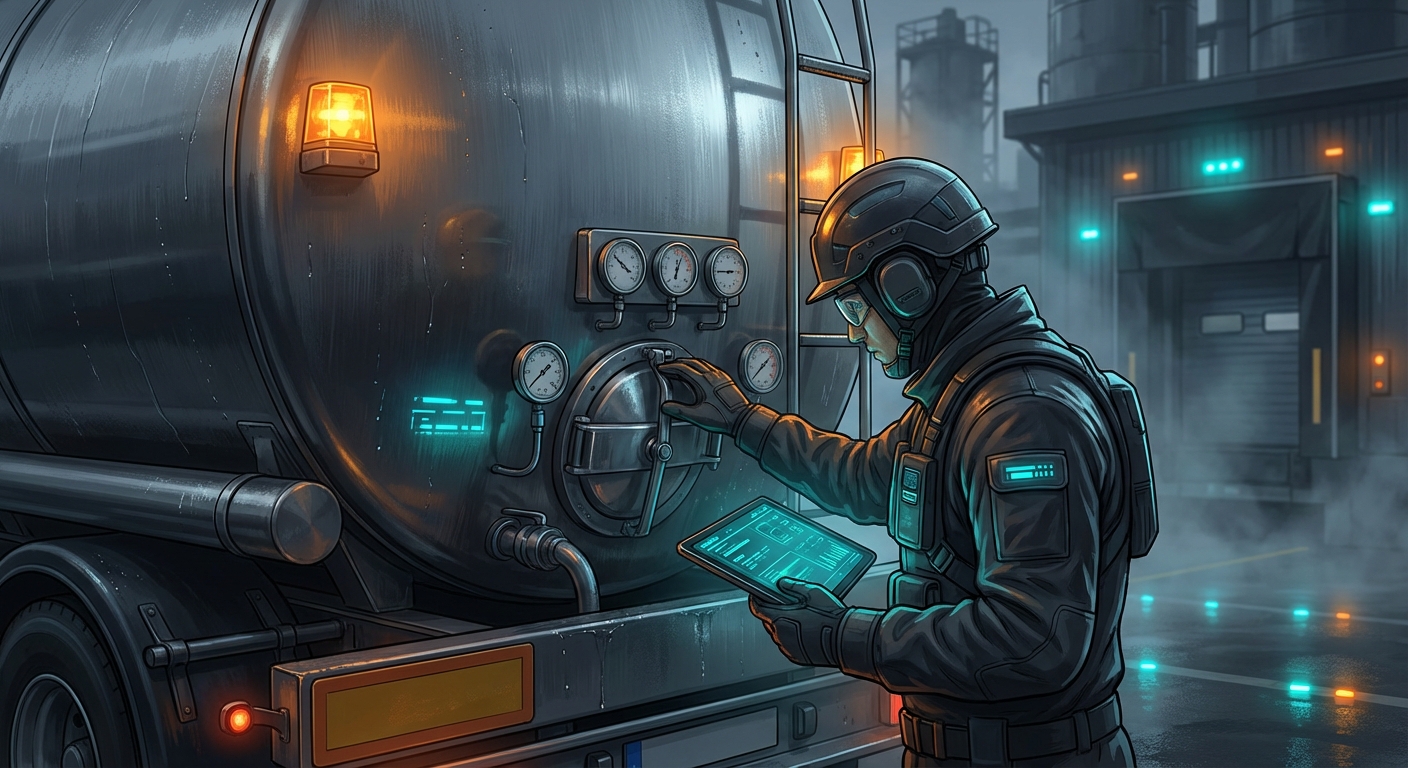
Meticulous safety checks and driver training are key to managing risk and lowering insurance costs.
Get Your Specialized Tanker Truck Insurance Quote
Free quotes from licensed Ontario brokers
Frequently Asked Questions
What is the most important insurance for a tanker truck in Ontario?
By far, the most critical coverage is Pollution Liability, often added via an SEF 99 endorsement. This covers the catastrophic costs of cleanup, fines, and environmental restoration after a spill, which are explicitly excluded from standard trucking liability policies.
How much pollution liability insurance do I need for my tanker?
While minimum requirements vary, most commercial shippers and contracts in Ontario will demand at least $2,000,000 in pollution liability. For carriers hauling highly toxic or flammable materials, requirements of $5,000,000 are common.
Does tanker insurance cover my own yard if a spill happens there?
Not automatically. Your standard Pollution Liability covers spills on public roads or third-party properties. To cover cleanup at your own terminal, you need a separate Site Pollution Liability policy. It's a crucial distinction for fleet owners with their own yards.
Are milk, water, or juice considered hazardous materials for insurance?
No, they are considered non-hazardous, so your base premium will be lower than for a chemical or fuel hauler. However, you need specialized food-grade cargo insurance that includes coverage for contamination, which is a major risk with these products.
What is an SEF 99 (Ontario) endorsement?
The SEF 99, or 'Transportation of Dangerous Goods Endorsement,' is a standard form added to a commercial auto policy in Ontario. It explicitly adds coverage for liability arising from the escape of pollutants from a truck, covering cleanup costs and environmental fines mandated by laws like the Environmental Protection Act.
Can a new trucking company get tanker insurance?
Yes, but it's challenging and premiums are high. Insurers will scrutinize your business plan, driver experience (especially with liquids), and safety protocols. A new venture can expect to pay a 25-40% higher premium than an established carrier with a clean 5-year record.
Related Coverage Options
This content is for informational purposes only and does not constitute insurance advice. Insurance requirements and pricing vary. Always consult a licensed Ontario insurance broker for advice specific to your situation.