
 Adam Mitchell, IBAO Young Broker of the Year 2019
 Ontario Trucking Insurance is a network of RIBO-licensed insurance brokers specializing in commercial trucking. All content is written and reviewed by active industry professionals with direct underwriting experience. Expert review by Adam Mitchell, IBAO Young Broker of the Year 2019 (Mitch Insurance Brokers), edited by Joanna Mendonca (Staebler Insurance). Our editorial standards →
When you're hauling freight, you're responsible for delivering it safely. If cargo is damaged, stolen, or destroyed while in your possession, you're liable to the shipper for its value. Motor truck cargo insurance protects you from these losses—and with cargo theft continuing to rise across Ontario in 2026, most shippers won't give you loads without it.
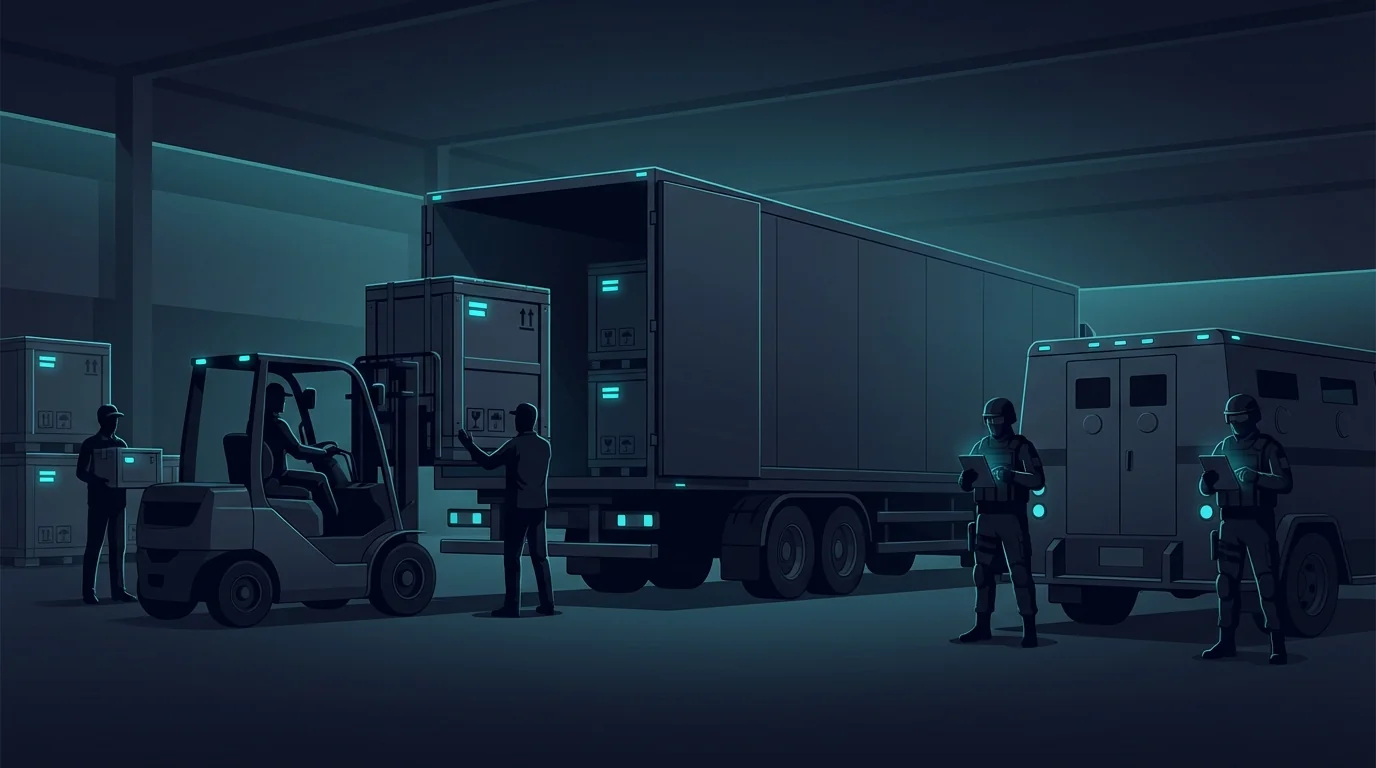
High-value cargo requires proper documentation and insurance coverage throughout the supply chain
What Is Motor Truck Cargo Insurance?
Motor truck cargo insurance (also called "freight insurance," "trucking cargo insurance," or "cargo legal liability") covers the goods you transport while they're in your care, custody, or control. If cargo is damaged, destroyed, or stolen during transit, trucking cargo coverage pays for the loss—protecting you from shipper claims.
Cargo Insurance Typically Covers:
- Collision Damage — Cargo damaged or destroyed in a vehicle accident
- Theft — Goods stolen from your truck or trailer (with proper security measures)
- Fire & Explosion — Cargo lost to fire, whether from your vehicle or external sources
- Loading/Unloading Accidents — Damage that occurs while handling freight
- Weather Damage — Losses from storms, floods, or temperature changes (varies by policy)
- Mysterious Disappearance — Some policies cover unexplained cargo loss
Coverage limits typically range from $25,000 to $250,000+ per load, depending on the type of cargo you haul. Most owner-operators carry $100,000 in coverage, which is the minimum many shippers and brokers require.
What's NOT Covered
Standard cargo policies exclude certain items: live animals, cash/jewelry, hazardous materials (requires special endorsement), perishable goods without reefer breakdown coverage, and losses due to inadequate packaging by the shipper. Always read your policy exclusions carefully.
Why Do You Need Cargo Insurance?
Legal Liability
As a carrier, you're legally responsible for cargo in your possession. The Carmack Amendment (for US shipments) and Canadian common law hold you liable for loss or damage unless you can prove an exception applies.
Shipper Requirements
Load boards (DAT, Truckstop), freight brokers, and direct shippers require proof of cargo insurance before dispatching loads. No coverage means no freight.
Protect Your Business
A single cargo claim can cost $50,000-$200,000+. Without insurance, you'd pay this from your own pocket—potentially bankrupting your trucking business.
Peace of Mind
Cargo insurance lets you focus on driving safely, not worrying about "what if something happens." It's a cost of doing business that protects your livelihood.
How Much Does Cargo Insurance Cost?
Cargo insurance is one of the most affordable coverages in your trucking policy, typically costing $400 to $2,500 per year for $100,000 in coverage. Rates vary based on cargo type, limits, and your claims history.
| Cargo Type | Annual Premium ($100K limit) |
|---|---|
| General Freight (dry van) | $400 – $800 |
| Refrigerated/Perishable | $800 – $1,500 |
| Electronics/High Value | $1,200 – $2,500 |
| Automotive/Machinery | $600 – $1,200 |
| Household Goods (moving) | $1,000 – $2,000 |
| Hazardous Materials | $1,500 – $3,000+ |
Factors Affecting Cargo Rates:
Real Claim Examples
Cargo claims happen more often than you'd think. Here are three real scenarios where cargo insurance saved Ontario truckers from financial disaster:

Rollover Destroys Auto Parts Load
A truck carrying automotive parts lost control on an icy stretch of Highway 401 near Cambridge and rolled over. The accident completely destroyed $85,000 worth of auto parts scattered across the highway.

Roof Leak Ruins Electronics Shipment
During a heavy rainstorm on a haul from Toronto to Montreal, an undetected roof seal failure allowed water into the trailer. By delivery, $65,000 worth of consumer electronics were water-damaged and unsalvageable.
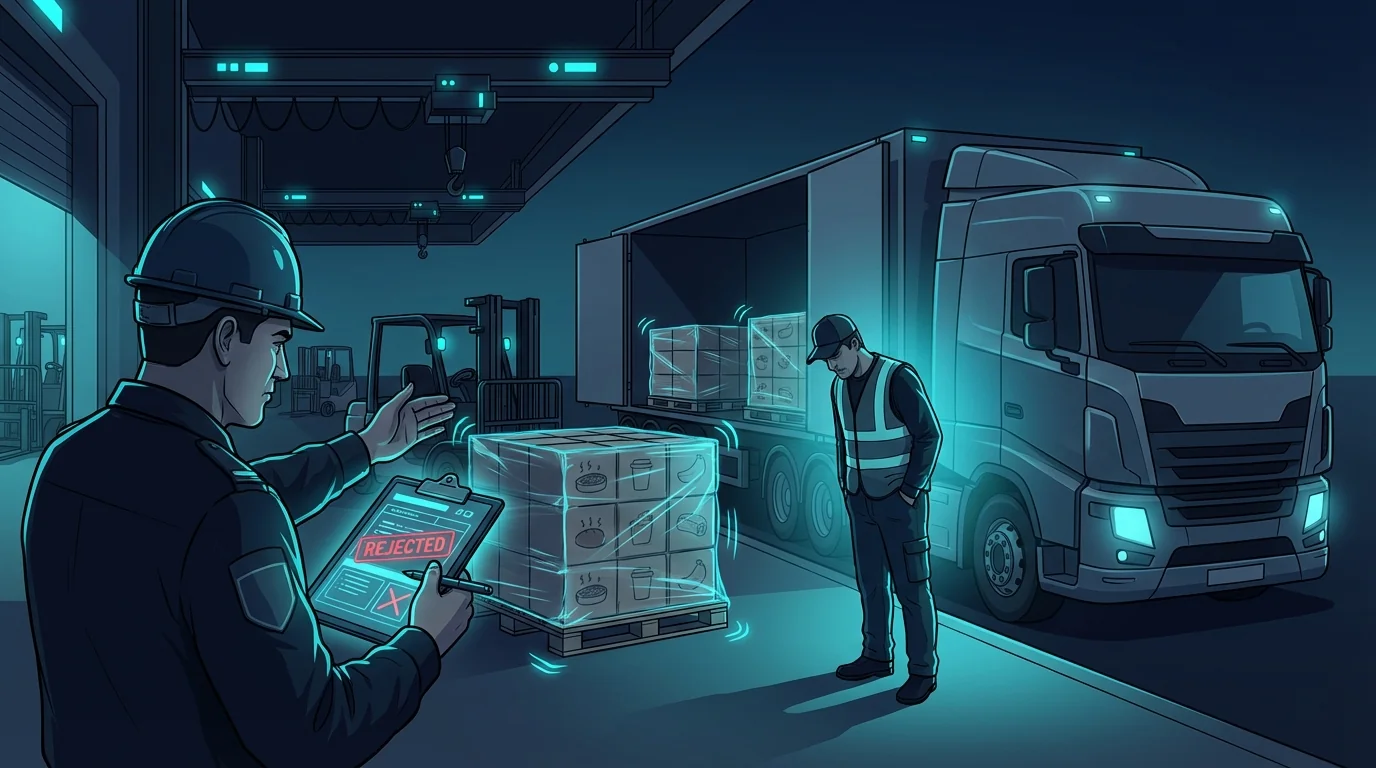
Temperature Deviation Rejects Food Shipment
A driver hauling $45,000 in packaged food products experienced a reefer malfunction. When the load arrived, the receiver's quality inspection found temperature logs showed deviation, and the entire shipment was rejected as contaminated.
Tips to Protect Your Cargo (and Lower Premiums)
Use Proper Securement
Follow FMCSA/MTO cargo securement rules. Proper load bars, straps, and blocking prevent shifting damage—the most common claim type. Document your securement with photos.
Park in Secure Locations
Cargo theft typically happens at truck stops and rest areas. Use secure parking, well-lit areas, and avoid high-theft corridors. Some insurers offer discounts for documented secure parking.
Install GPS Tracking
Real-time GPS tracking can reduce premiums by 5-10% and helps recover stolen loads. Many insurers now require GPS for high-value cargo coverage.
Document Everything
Photograph cargo before loading and note any pre-existing damage on the BOL. This documentation is crucial if a claim is disputed.
Match Coverage to Cargo
Don't over-insure if you haul low-value freight. Don't under-insure if you occasionally take high-value loads. Consider "trip-specific" coverage for unusual cargo.
Industry Classification Codes
Cargo insurance premiums are categorized by operation type using NAICS codes (484110 for local, 484121 for long-distance) with corresponding WSIB and ISO classifications.
Ontario Trucking Insurance Classification Reference
Cross-reference table for NAICS, WSIB, ISO, and NCCI codes
| Category | NAICS (i) | WSIB (i) | ISO (i) | Risk Level | Avg. Premium |
|---|---|---|---|---|---|
| General Freight Trucking, Long-Distance Long-haul trucking operations exceeding 150km radius | 484121 | 70220 | CA 7219 | High | $12,000 - $18,000/year |
| General Freight Trucking, Local Local delivery within 150km radius | 484110 | 70210 | CA 7218 | Medium | $6,000 - $10,000/year |
| Specialized Freight - Refrigerated Temperature-controlled cargo transport | 484230 | 70230 | CA 7228 | High | $14,000 - $22,000/year |
| Specialized Freight - Flatbed/Heavy Haul Oversized loads, machinery, construction equipment | 484220 | 70230 | CA 7222 | Very High | $18,000 - $28,000/year |
Note: Premium estimates are based on 2024 Ontario market rates for operators with clean CVOR records. Actual premiums vary based on experience, claims history, fleet size, and cargo type. Get a personalized estimate →
Get Your Motor Truck Cargo Insurance Quote
Free quotes from licensed Ontario brokers
Frequently Asked Questions
Is cargo insurance required by law?
Cargo insurance isn't legally required in Ontario like liability insurance is. However, it's practically required—most shippers, brokers, and load boards require proof of cargo coverage before dispatching loads. You can't get freight without it.
How much cargo coverage do I need?
Most shippers require minimum $100,000 coverage. If you haul high-value loads (electronics, pharmaceuticals, etc.), you may need $250,000 or more. Match your coverage to the maximum value of loads you typically haul.
Does cargo insurance cover spoiled refrigerated goods?
Not automatically. You need a specific "reefer breakdown" endorsement to cover perishable cargo that spoils due to refrigeration unit failure. This is separate coverage that adds to your premium.
Am I covered if cargo is stolen while I'm at a truck stop?
Yes, but with conditions. Most policies require you to take reasonable security precautions—locking doors, using seals, parking in well-lit areas. "Attended vehicle" clauses may apply for high-value cargo.
What's the difference between cargo insurance and shipper's insurance?
Cargo insurance covers you (the carrier) against liability for damaged/lost freight. Shipper's insurance covers the shipper's interest in the goods. As a carrier, you need cargo insurance regardless of whether the shipper has their own coverage.