
 Adam Mitchell, IBAO Young Broker of the Year 2019
 Ontario Trucking Insurance is a network of RIBO-licensed insurance brokers specializing in commercial trucking. All content is written and reviewed by active industry professionals with direct underwriting experience. Expert review by Adam Mitchell, IBAO Young Broker of the Year 2019 (Mitch Insurance Brokers), edited by Joanna Mendonca (Staebler Insurance). Our editorial standards →
If you haul refrigerated or frozen goods, a mechanical failure in your reefer unit can destroy a load worth $50,000 to $200,000+ in hours. Standard cargo insurance still excludes spoilage from mechanical breakdown in 2026. Reefer breakdown coverage fills this critical gap, protecting you from catastrophic losses.
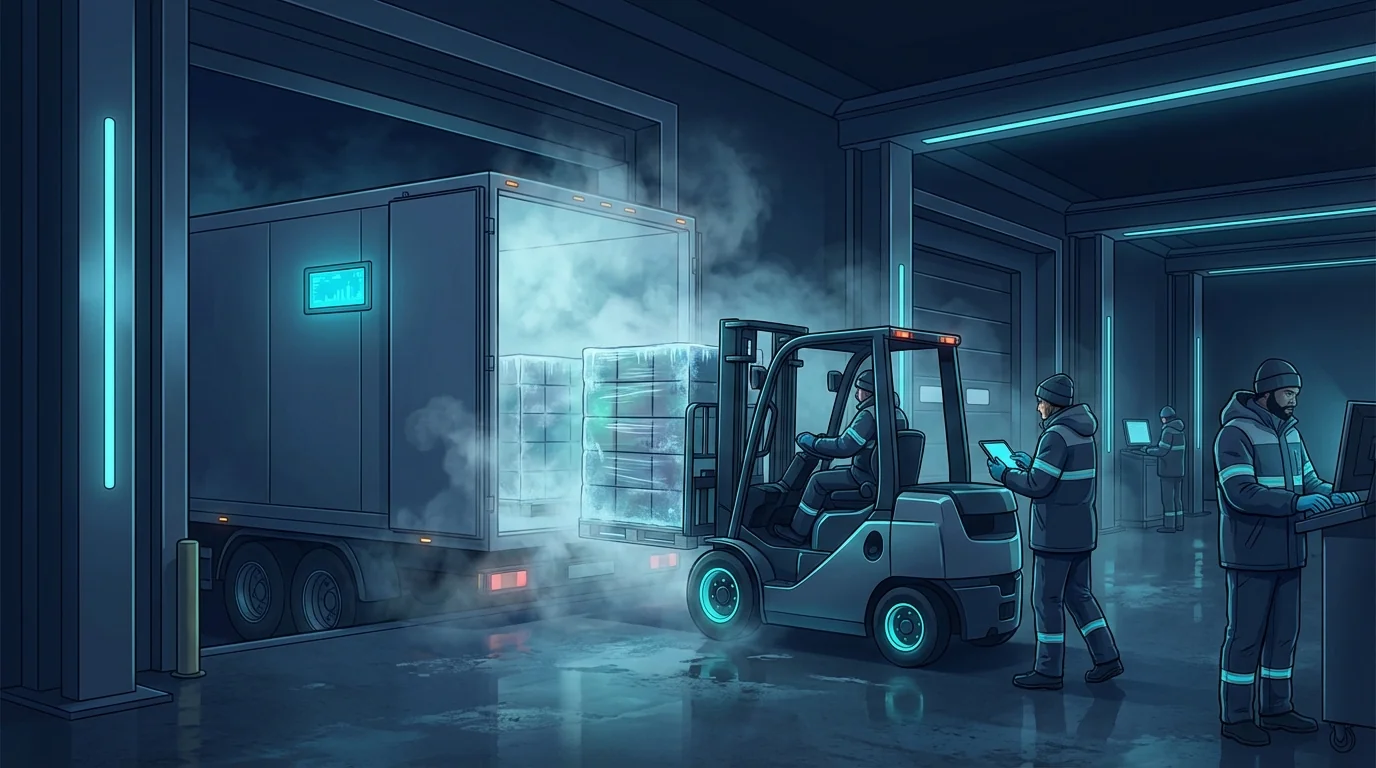
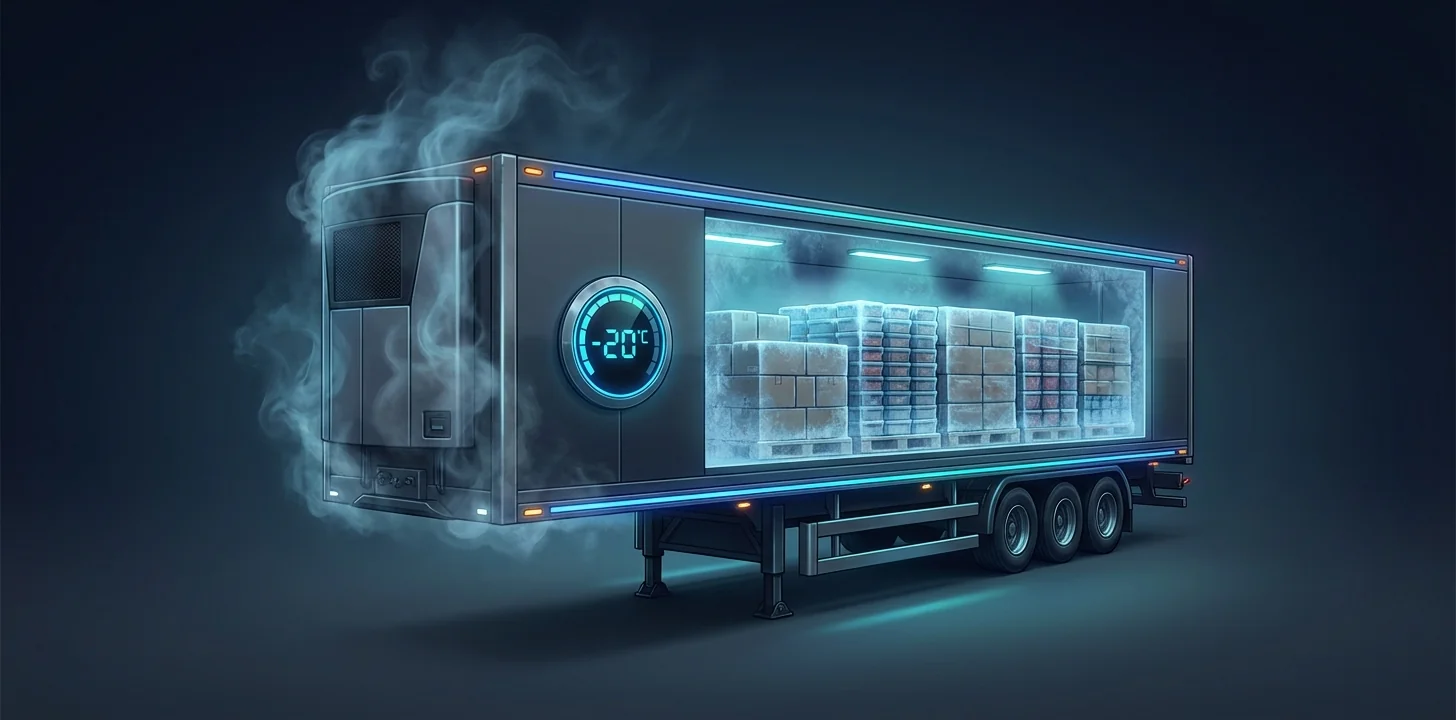
Temperature-controlled cargo requires uninterrupted refrigeration from pickup to delivery
What Is Reefer Breakdown Insurance?
Reefer breakdown insurance (also called "mechanical refrigeration breakdown" or "spoilage coverage") protects temperature-sensitive cargo when your refrigeration unit fails mechanically. It covers the value of spoiled cargo that would otherwise not be covered under standard cargo insurance.
Reefer Breakdown Typically Covers:
- Mechanical Failure — Compressor, evaporator, condenser, or other component failures
- Electrical Failures — Shorts, blown fuses, control system malfunctions
- Fuel System Issues — Fuel contamination or fuel starvation causing shutdown
- Thermostat Malfunctions — Temperature control failures leading to spoilage
- Refrigerant Leaks — Loss of refrigerant causing temperature rise
What's NOT Covered
Reefer breakdown typically excludes: driver error (failing to fuel the unit), pre-existing mechanical issues, wear and tear if maintenance was neglected, and cargo spoilage from accidents (that's covered under regular cargo insurance). Proper maintenance records are essential.
Why Do You Need Reefer Breakdown Coverage?
Cargo Insurance Won't Cover It
Standard cargo policies specifically exclude spoilage from mechanical breakdown. If your reefer fails, your regular cargo insurance will deny the claim.
Loads Are Extremely Valuable
A single trailer of frozen seafood, pharmaceuticals, or premium produce can be worth $100,000-$200,000+. One breakdown could destroy your entire business.
Mechanical Failures Happen
Reefer units run 24/7 during transit, often in extreme temperatures. Components fail, even with good maintenance. It's not if, but when.
Shipper Requirements
Many food and pharmaceutical shippers require reefer breakdown coverage before awarding loads. No coverage means no access to the best-paying freight.
How Much Does Reefer Breakdown Insurance Cost?
Reefer breakdown coverage typically costs $400 to $1,500 per year for $100,000 in coverage. It's often added as an endorsement to your cargo policy.
| Cargo Type | Annual Premium ($100K limit) |
|---|---|
| Fresh Produce | $400 – $800 |
| Frozen Foods | $600 – $1,000 |
| Dairy Products | $500 – $900 |
| Pharmaceuticals | $800 – $1,500 |
| Seafood/Meat | $700 – $1,200 |
Factors Affecting Your Rate:
Real Claim Examples
Reefer breakdowns can destroy six-figure loads in hours. Here are three claims where this coverage saved Ontario truckers:
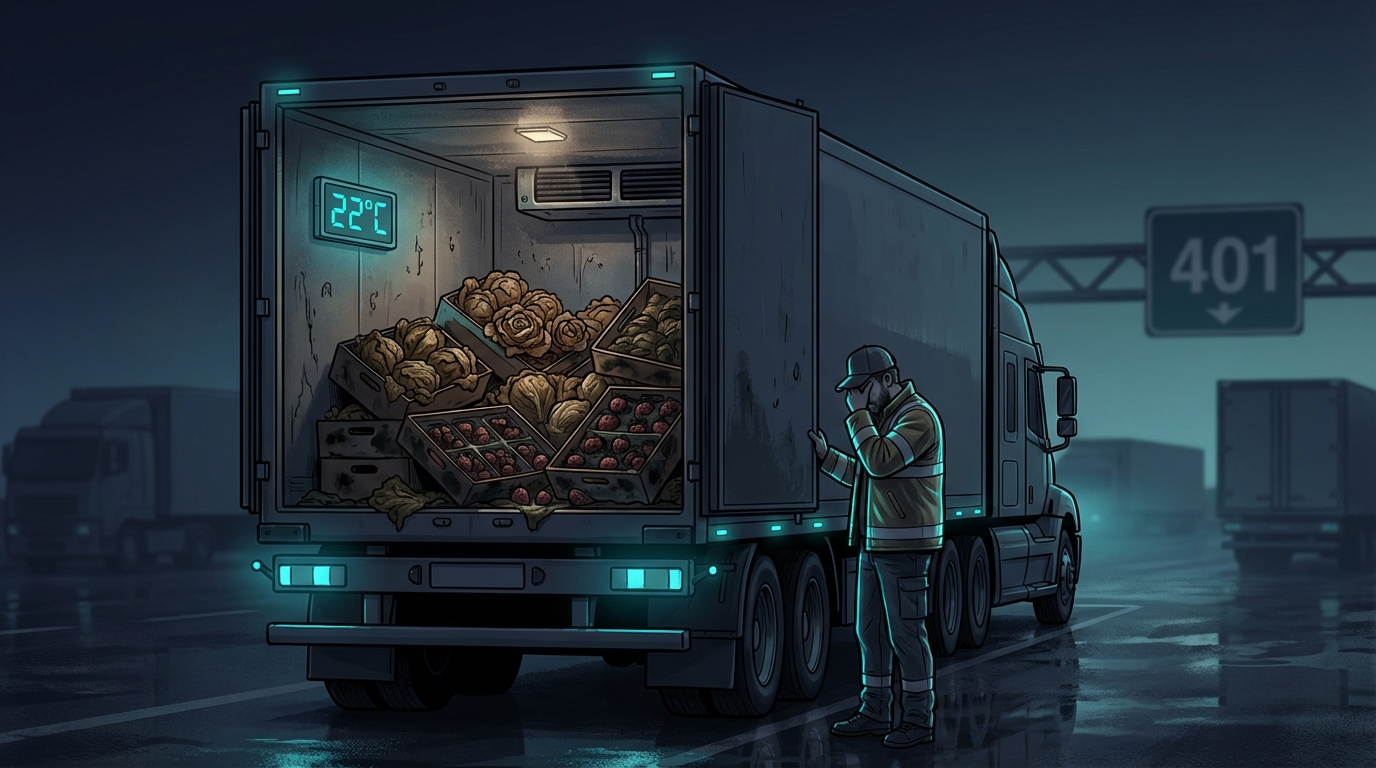
Compressor Failure Spoils Produce Load
An owner-operator was hauling $85,000 worth of fresh produce from California to Toronto when the reefer compressor failed overnight on Highway 401. By morning, the entire load of strawberries and lettuce had spoiled. The mechanical failure was undetected until the receiver rejected the load.
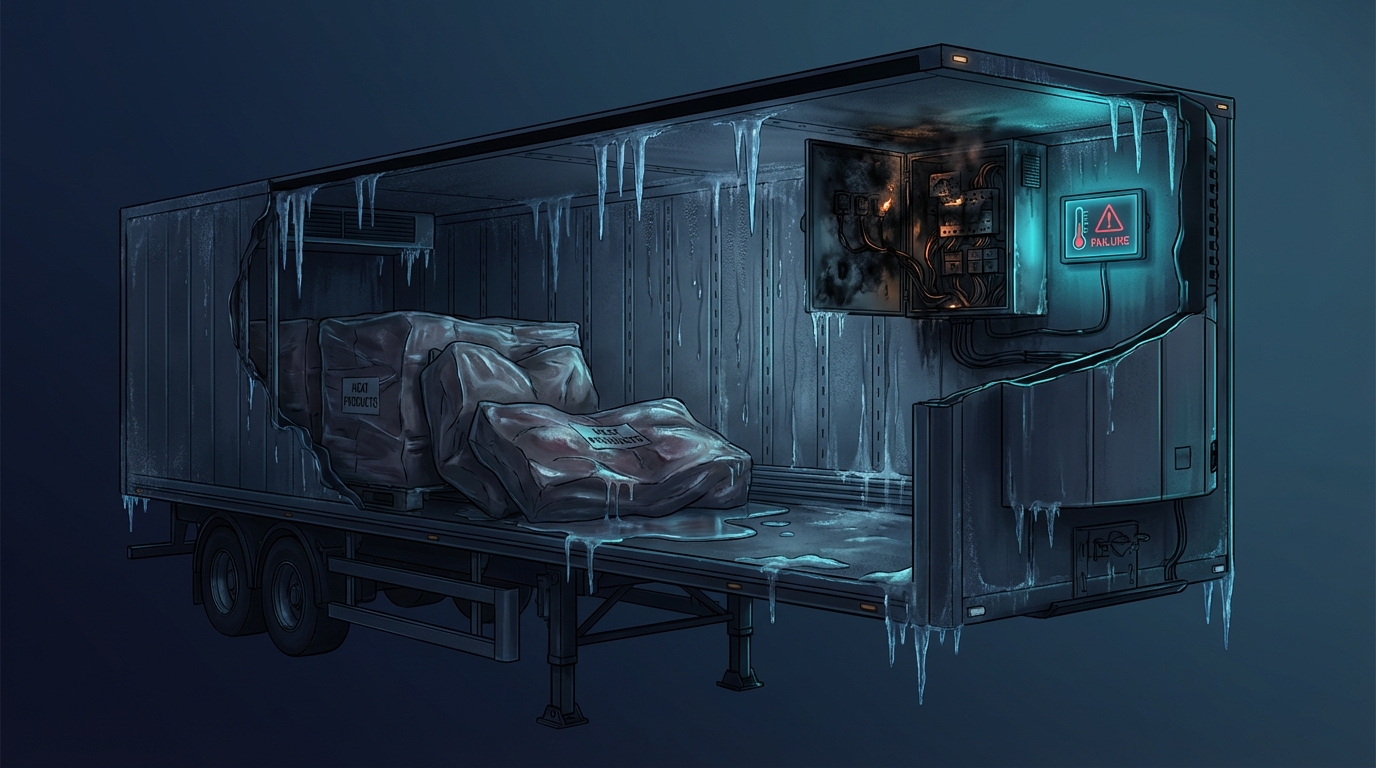
Electrical Short Defrosts Frozen Meat
During a cross-country haul of frozen beef, an electrical short caused the refrigeration unit to shut down. The driver didn't notice the temperature alarm (which had also malfunctioned) until a routine check 6 hours later. By then, $120,000 of frozen meat had thawed and was condemned.
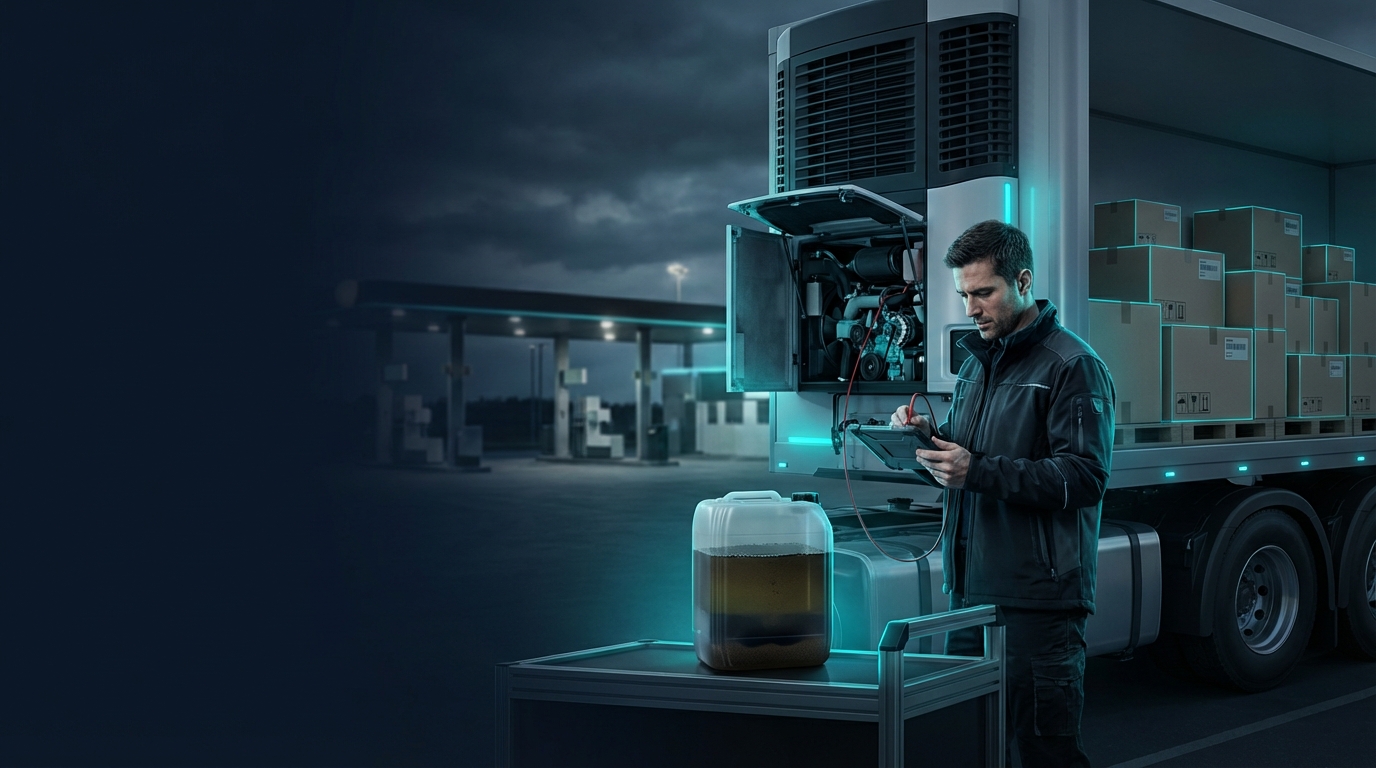
Fuel Contamination Stops Reefer
Contaminated diesel fuel from a truck stop damaged the reefer unit's fuel system, causing it to fail during a pharmaceutical delivery. The temperature-sensitive medications, worth $65,000, were ruined when the trailer exceeded the required temperature range.
Tips to Protect Your Reefer Loads

Modern telematics systems provide real-time temperature monitoring and alerts
Maintain Rigorous Service Records
Keep detailed maintenance logs. Insurers may deny claims if you can't prove the unit was properly maintained. Follow manufacturer service intervals religiously.
Use Temperature Monitoring
Install telematics that monitor and record temperatures in real-time. These systems can alert you to problems before cargo is destroyed and provide documentation for claims.
Pre-Trip Reefer Inspections
Check the reefer unit before every load. Test temperature controls, check for fuel, inspect belts and hoses. Catch problems before they cause spoilage.
Monitor During Transit
Check temperatures at every stop. Don't rely solely on alarms—visually inspect the reefer display regularly. Early detection can save a load.
Keep Fuel Topped Off
Many "reefer failures" are simply the unit running out of fuel. Fuel the reefer at every truck fuel stop. Some policies won't cover spoilage from fuel starvation.
Industry Classification Codes
Reefer breakdown coverage applies to temperature-controlled operations. These operations are classified under NAICS 484121 (General Freight Trucking, Long-Distance) with specialized cargo classifications for refrigerated goods.
Ontario Trucking Insurance Classification Reference
Cross-reference table for NAICS, WSIB, ISO, and NCCI codes
| Category | NAICS (i) | WSIB (i) | ISO (i) | Risk Level | Avg. Premium |
|---|---|---|---|---|---|
| General Freight Trucking, Long-Distance Long-haul trucking operations exceeding 150km radius | 484121 | 70220 | CA 7219 | High | $12,000 - $18,000/year |
| General Freight Trucking, Local Local delivery within 150km radius | 484110 | 70210 | CA 7218 | Medium | $6,000 - $10,000/year |
| Specialized Freight - Refrigerated Temperature-controlled cargo transport | 484230 | 70230 | CA 7228 | High | $14,000 - $22,000/year |
| Specialized Freight - Flatbed/Heavy Haul Oversized loads, machinery, construction equipment | 484220 | 70230 | CA 7222 | Very High | $18,000 - $28,000/year |
Note: Premium estimates are based on 2024 Ontario market rates for operators with clean CVOR records. Actual premiums vary based on experience, claims history, fleet size, and cargo type. Get a personalized estimate →
Get Your Reefer Breakdown Insurance Quote
Free quotes from licensed Ontario brokers
Frequently Asked Questions
Does my regular cargo insurance cover reefer breakdowns?
No. Standard cargo policies specifically exclude spoilage caused by mechanical breakdown. They cover cargo damaged in accidents, fires, or theft—but not spoilage from equipment failure. You need a separate reefer breakdown endorsement.
Am I covered if I forget to fuel the reefer unit?
Typically no. Running out of fuel is considered driver error, not mechanical breakdown. Most policies exclude spoilage from fuel starvation. Always fuel the reefer at every stop.
Do I need reefer breakdown coverage if I lease a reefer trailer?
Check your lease agreement. Some trailer leases include reefer breakdown coverage; many don't. If you're responsible for cargo in transit, you likely need your own coverage regardless of who owns the trailer.
What documentation do I need to file a claim?
You'll need: temperature logs (ideally electronic), maintenance records, photos of the spoiled cargo, a mechanic's report on the breakdown, the shipper's documentation of cargo value, and the receiver's rejection documentation. The more documentation, the smoother the claim.
How much coverage do I need?
Match your coverage to the maximum value of loads you typically haul. If you regularly haul $150,000 pharmaceutical loads but occasionally haul $50,000 produce, get $150,000 coverage. Underinsuring to save a few dollars is a costly mistake.