
 Adam Mitchell, IBAO Young Broker of the Year 2019
 Ontario Trucking Insurance is a network of RIBO-licensed insurance brokers specializing in commercial trucking. All content is written and reviewed by active industry professionals with direct underwriting experience. Expert review by Adam Mitchell, IBAO Young Broker of the Year 2019 (Mitch Insurance Brokers), edited by Rajwinder Minhas (Five Star Insurance Brokers). Our editorial standards →
When you have two or more trucks, you qualify for commercial fleet insurance—a single policy covering all your vehicles with volume discounts and simplified management. In 2026, commercial truck insurance policies continue to save Ontario trucking companies 15-25% compared to individual policies, with some carriers now offering additional telematics-based discounts. Here's everything you need to know.
What Is Fleet Insurance?
Fleet insurance is commercial transportation insurance that covers multiple vehicles under one policy. Instead of individual policies for each truck, you get composite rating based on your entire fleet's risk profile. Trucking companies across Ontario use fleet insurance to simplify their coverage while reducing costs.
Fleet Insurance Benefits:
- Volume Discounts — Save 15-25% per truck compared to individual policies
- One Policy — Single renewal date, one payment, simplified admin
- Composite Rating — One rate for all vehicles based on fleet average
- Flexible Scheduling — Add/remove vehicles throughout the year
- Fleet Safety Programs — Access to loss control and training resources
Fleet Insurance Requirements
To qualify for fleet insurance in Ontario, your business must meet certain requirements. Here's what insurers look for when underwriting a commercial fleet policy:
Minimum Vehicle Count
Most insurers require 2+ vehicles to qualify for fleet rating. Some premium carriers require 5+ vehicles for their best rates.
Valid CVOR Certificate
Commercial Vehicle Operator's Registration with a clean safety record. A CVOR violation rate under 35% is preferred.
Business Registration
Valid Ontario business registration (sole proprietorship, corporation, or partnership) with proper operating authority.
Driver Documentation
Valid Class A or D licenses for all drivers, clean MVR abstracts, and completed driver training records.
Vehicle Documentation
Safety certifications, ownership documents, and VIN information for each vehicle in the fleet.
Claims History
3-5 years of loss runs from previous insurers. Fleets with fewer claims qualify for better rates.

Your fleet's experience rating is based on claims history compared to similar operations
Types of Fleet Vehicles Covered
Fleet insurance isn't just for semi-trucks. Ontario fleet policies can cover a wide range of commercial vehicles under one policy:
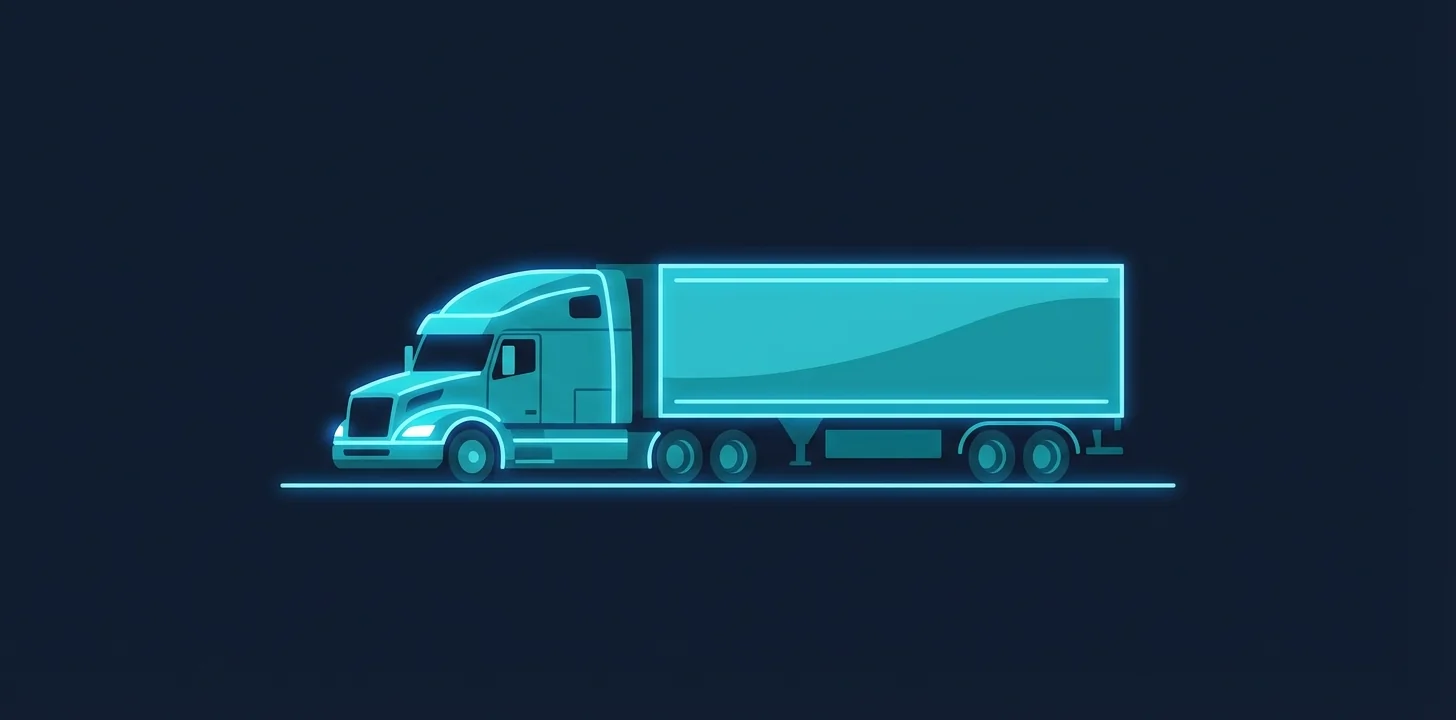
Semi-Trucks & Tractors
Long-haul and regional tractor-trailers, day cabs, and sleeper units
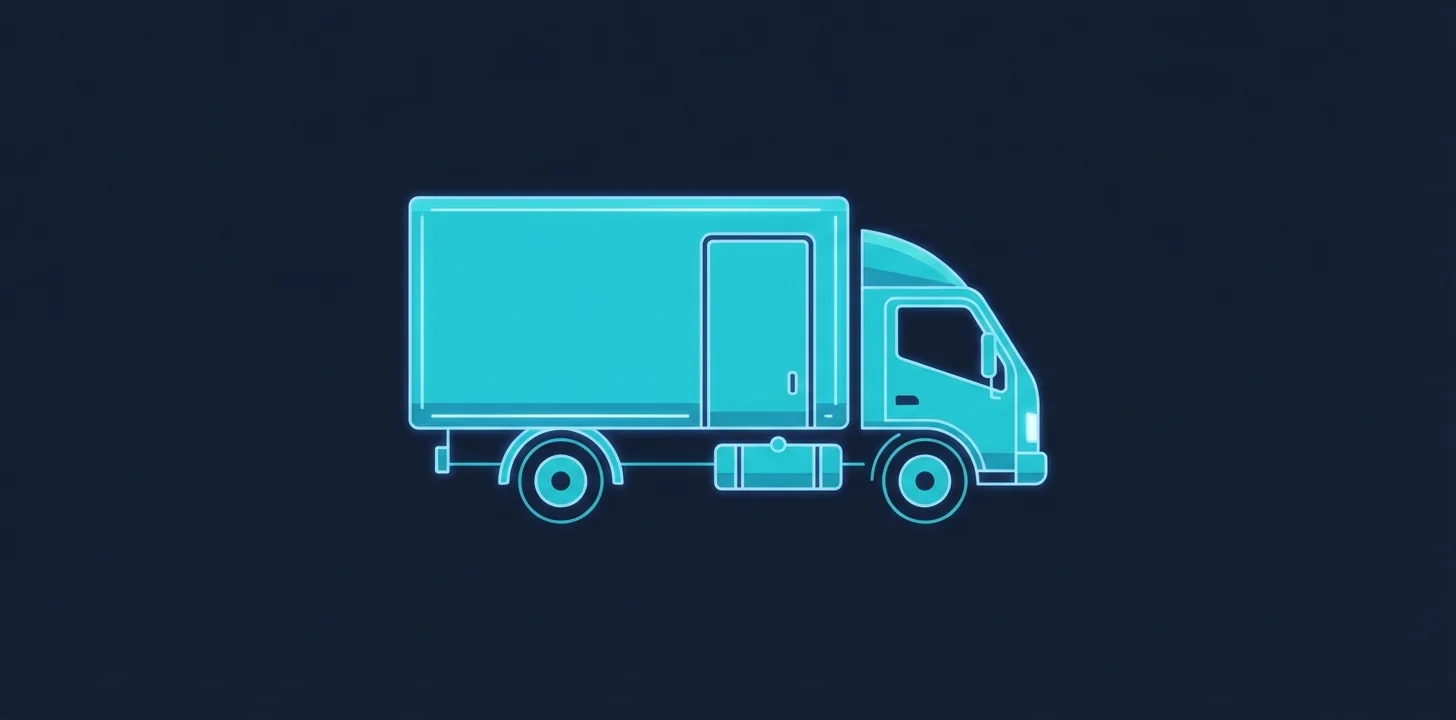
Straight Trucks
Box trucks, cube vans, and delivery trucks (16-26 ft)
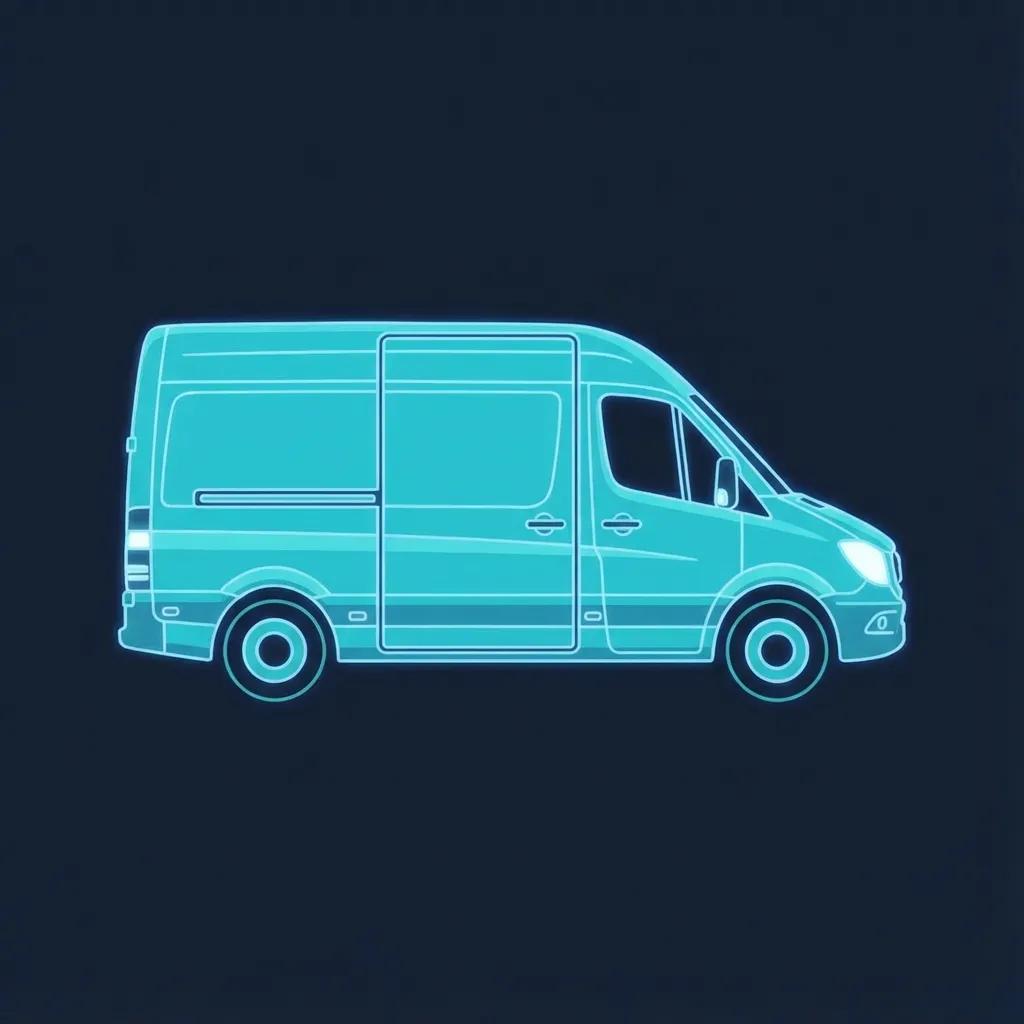
Cargo Vans
Sprinter vans, cargo vans, and commercial delivery vehicles

Vocational Trucks
Dump trucks, cement mixers, garbage trucks, and service vehicles
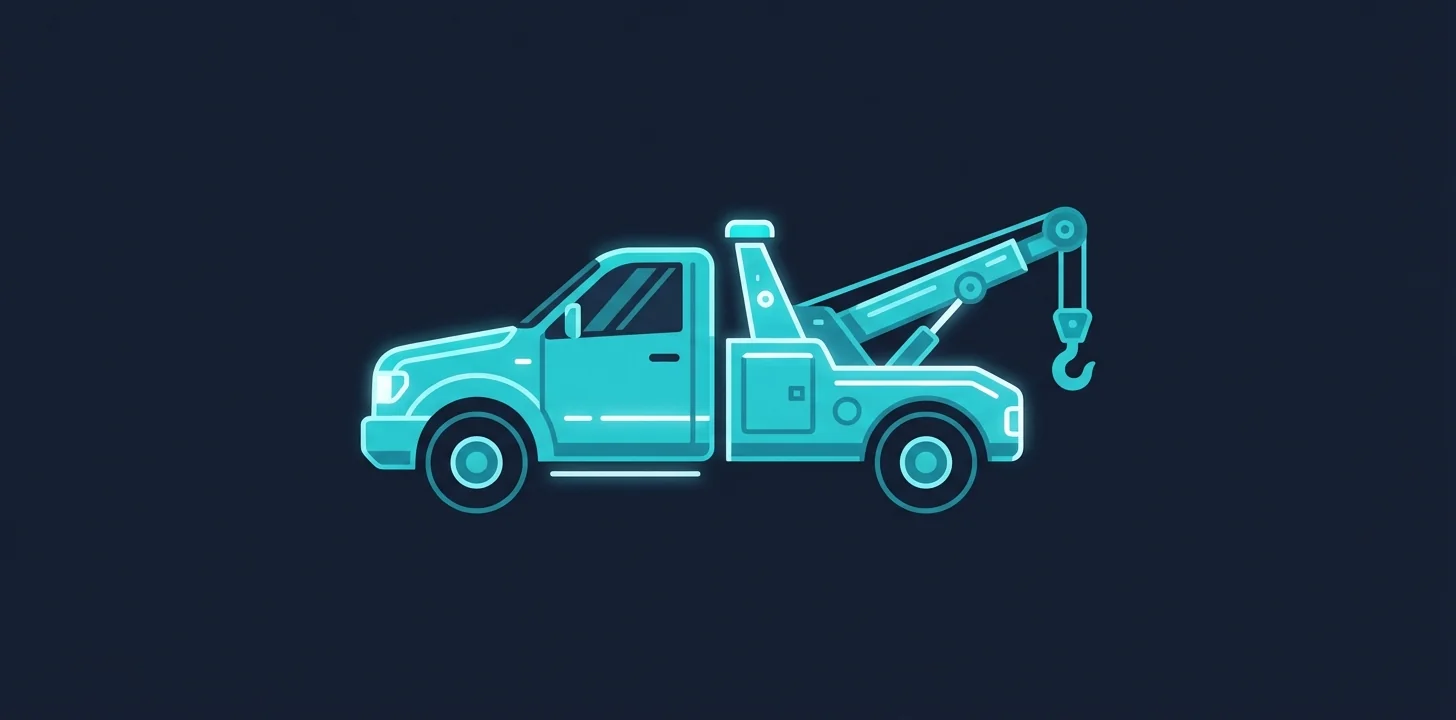
Service Vehicles
Company cars, pickup trucks, and utility vehicles used for business
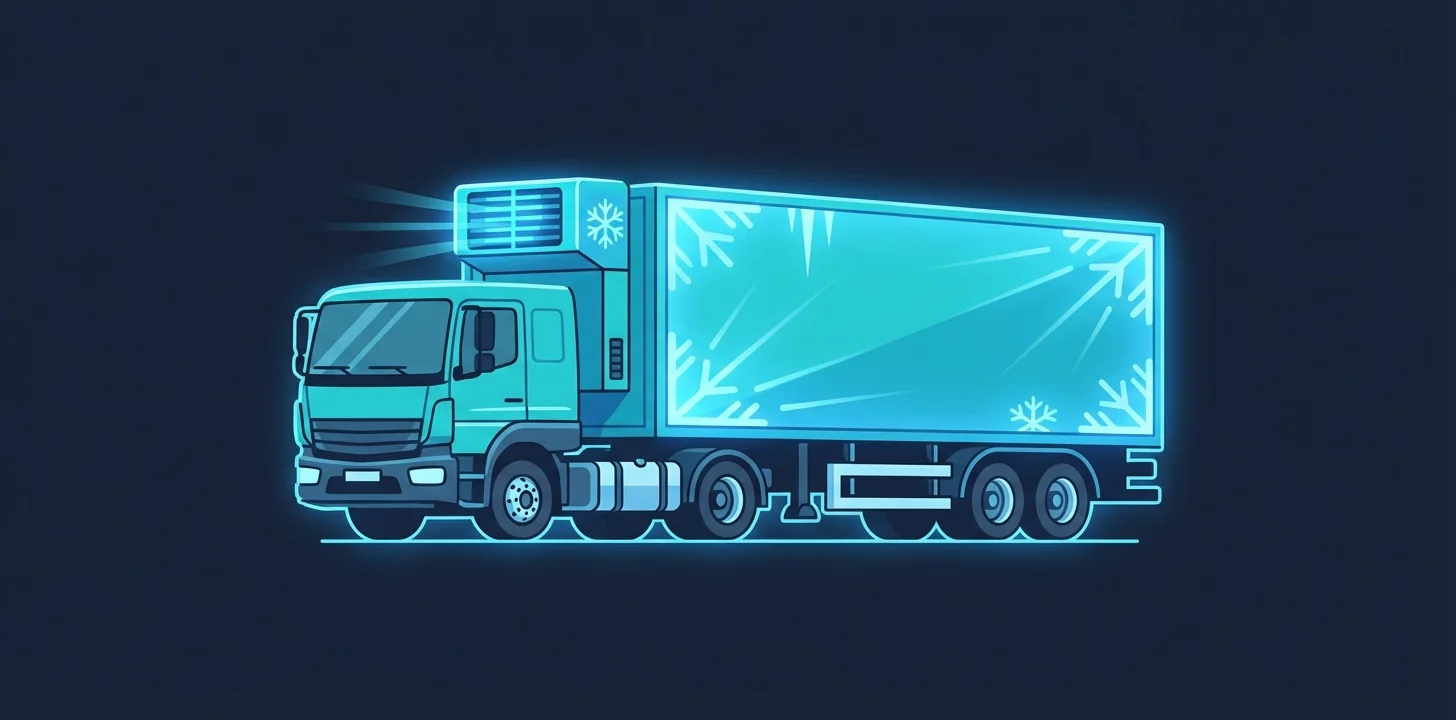
Specialized Equipment
Refrigerated units, tankers, flatbeds, and lowboy trailers
Mixed Fleet Policies
Many Ontario businesses operate mixed fleets with different vehicle types. Fleet insurance allows you to combine trucks, vans, and cars under one policy with blended rates based on your overall fleet composition.
Fleet vs Individual Policies: Comparison
Should you insure your vehicles separately or under a fleet policy? Here's a direct comparison to help you decide:
| Factor | Fleet Policy | Individual Policies |
|---|---|---|
| Cost per Vehicle | 15-25% lower | Standard rates |
| Administration | One policy, one renewal | Multiple policies to manage |
| Adding Vehicles | Simple endorsement | New policy required |
| Claims Impact | Affects entire fleet rate | Only affects one policy |
| Coverage Flexibility | Same coverage for all vehicles | Customized per vehicle |
| Minimum Vehicles | Requires 2+ vehicles | No minimum |
| Best For | Growing operations | Single operators |
Our Recommendation
If you have 2+ vehicles, fleet insurance almost always makes sense. The administrative simplicity and volume discounts outweigh the shared claims impact for most businesses. The break-even point is typically around 3-4 vehicles.

Fleet insurance simplifies management with one policy covering all vehicles from a central dispatch
Fleet Size Pricing Tiers
| Fleet Size | Typical Discount | Per-Truck Cost |
|---|---|---|
| 2-5 trucks | 10-15% | $8,000-$12,000 |
| 6-10 trucks | 15-20% | $7,000-$10,000 |
| 11-25 trucks | 20-25% | $6,000-$9,000 |
| 25+ trucks | 25%+ (negotiable) | $5,500-$8,000 |
* Costs vary based on CVOR rating, claims history, cargo type, and operating radius

Larger fleets qualify for deeper discounts through volume pricing and composite rating
Coverage Components for Fleets
Primary Liability
$1M-$5M per occurrence covering all fleet vehicles. Higher limits for larger fleets or hazmat.
Physical Damage
Comprehensive and collision for your entire fleet. Stated value or replacement cost options.
Cargo Coverage
Blanket cargo coverage for all loads hauled by fleet vehicles.
Hired/Non-Owned Auto
Coverage for rented vehicles or employee personal vehicles used for business.

Fleet liability coverage protects your business from third-party claims across all vehicles
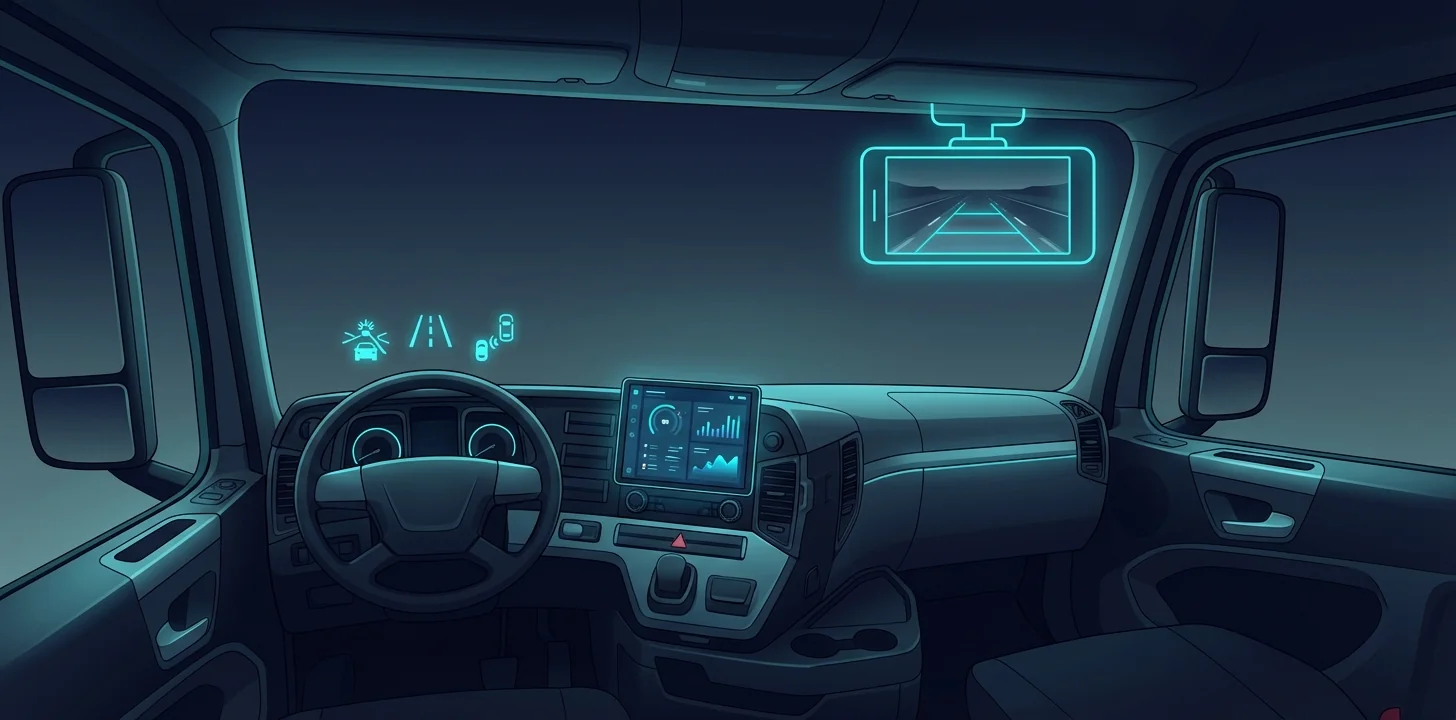
Advanced safety technology and telematics can reduce fleet premiums by 5-15%
Fleet Safety = Lower Premiums
Insurance companies reward fleets with strong safety programs. Implementing these measures can reduce your premium by 5-15%:
- Driver safety training programs (Smith System, DefensiveDriving.com)
- In-cab cameras and telematics
- Electronic Logging Devices (ELDs)
- Regular vehicle maintenance schedules with documentation
- Written hiring standards (MVR checks, drug testing)
- Accident review committees

Regular driver safety meetings demonstrate commitment to risk management and can lower premiums
Adding/Removing Vehicles
Fleet Reporting Options:
- Monthly Reporting — Report active vehicle count each month, pay pro-rated premium
- Quarterly Reporting — Report every 3 months for established fleets
- Symbol 1 Coverage — Automatically covers ANY vehicle you own (best for frequently changing fleets)
Ontario Fleet Insurance Regulations
Operating a commercial fleet in Ontario requires compliance with provincial and federal regulations. Your fleet insurance policy must meet these requirements:
Minimum Liability Coverage
Ontario requires $1,000,000 minimum third-party liability for commercial vehicles. Most fleet operators carry $2M-$5M for adequate protection.
CVOR Requirements
All commercial fleets must maintain a valid Commercial Vehicle Operator's Registration. Your CVOR safety rating directly impacts insurance rates—keep it under 35% for best pricing.
US Authority (If Applicable)
Cross-border fleets need $750,000 USD minimum for FMCSA compliance, plus a BOC-3 filing and MC/DOT numbers.
Cargo Insurance
While not legally mandated, most shippers require proof of cargo coverage. Typical minimums: $100,000 for general freight, higher for specialized cargo.
MTO Audit Requirements
The Ministry of Transportation can audit your fleet at any time. Maintain copies of insurance certificates in each vehicle and keep digital records accessible. Non-compliance can result in CVOR points and vehicle impoundment.
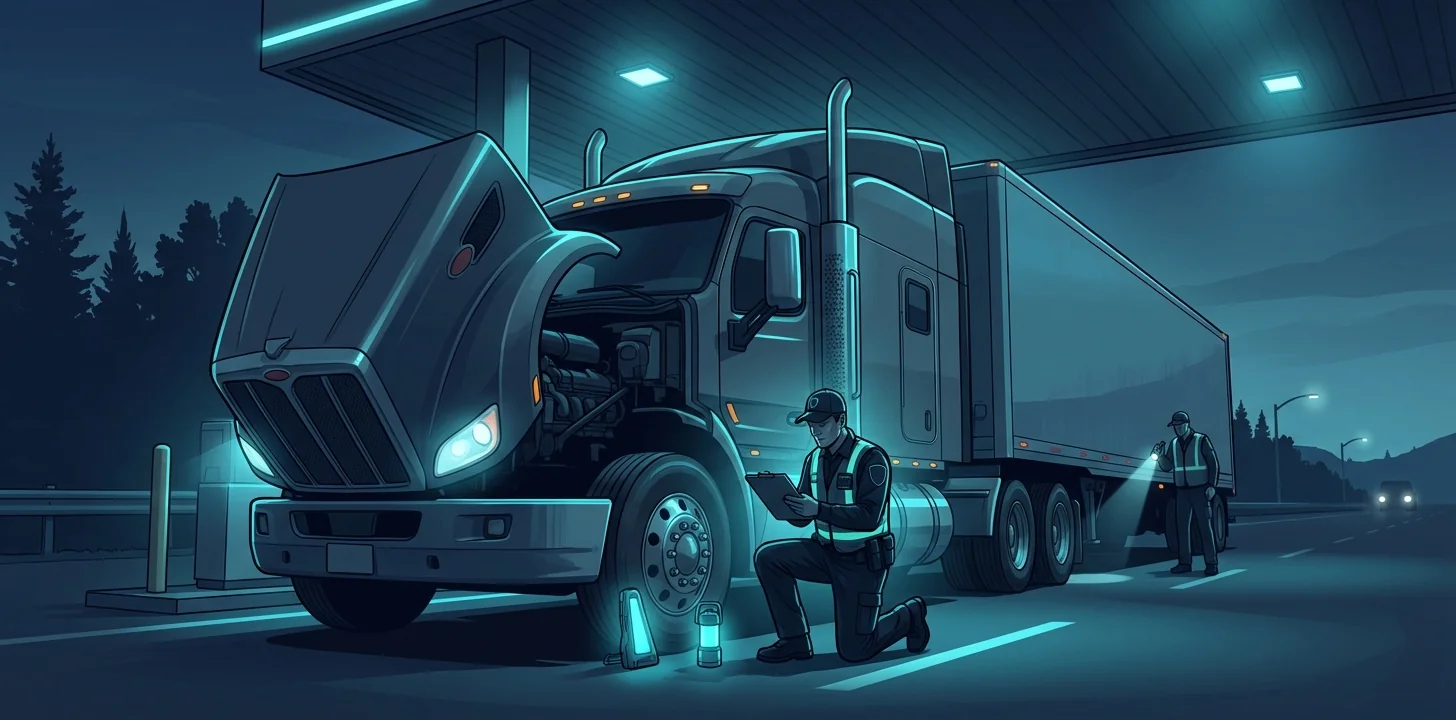
Regular safety inspections and CVOR compliance directly impact fleet insurance rates
Fleet Insurance FAQs
How many vehicles do I need for fleet insurance?
Most insurers require a minimum of 2 vehicles to qualify for fleet rating. However, some carriers require 5+ vehicles for their most competitive fleet rates. Even with just 2 trucks, you can typically save 10-15% compared to individual policies.
Can I mix different vehicle types in one fleet policy?
Yes. Ontario fleet policies can cover semi-trucks, straight trucks, cargo vans, pickup trucks, and even passenger vehicles under one policy. Your rate will be based on a composite of all vehicle types and their individual risk profiles.
What happens if one driver has multiple claims?
Claims affect your entire fleet's experience rating. However, you can mitigate this by removing problem drivers, implementing safety training, and potentially scheduling high-risk drivers on separate policies. Most insurers allow some flexibility in fleet composition.
How quickly can I add a new vehicle to my fleet?
Most fleet policies allow same-day additions via endorsement. Contact your truck insurance broker with the vehicle's VIN, value, and intended use. Coverage can typically be bound within hours, with formal documentation following within a few days.
Is fleet insurance cheaper than individual policies?
Almost always, yes. Fleet discounts typically range from 15-25% per vehicle compared to individual policies. The savings increase with fleet size—a 25+ truck fleet may see 25%+ discounts plus additional negotiating power.
What's the difference between scheduled and symbol coverage?
Scheduled coverage lists each vehicle specifically on your policy. Symbol 1 (Any Auto) coverage automatically covers any vehicle you own or acquire—ideal for fleets that frequently add/remove vehicles.
Do I need separate cargo insurance for my fleet?
Cargo coverage is typically included in or added to your fleet policy. You can have blanket cargo coverage (covering all loads up to a limit) or scheduled coverage for specific high-value cargo types. Most shippers require proof of cargo coverage regardless.
How does my CVOR affect fleet insurance rates?
Your CVOR safety rating is one of the most important factors in fleet pricing. A violation rate under 35% qualifies you for standard markets. Above 50%, you may be limited to high-risk carriers with significantly higher premiums.
Can owner-operators be added to a fleet policy?
It depends on your arrangement. If owner-operators are leased onto your authority, they can often be covered under your fleet policy. Independent contractors with their own authority typically need separate coverage, though you may need non-owned auto coverage for when they're operating under your MC.
What fleet insurance companies operate in Ontario?
Major fleet insurers in Ontario include Northbridge, Intact, Travelers, Old Republic, Markel, and Federated. Each has different appetites—some prefer local fleets, others specialize in long-haul or cross-border operations. Working with a specialized broker gives you access to multiple markets.
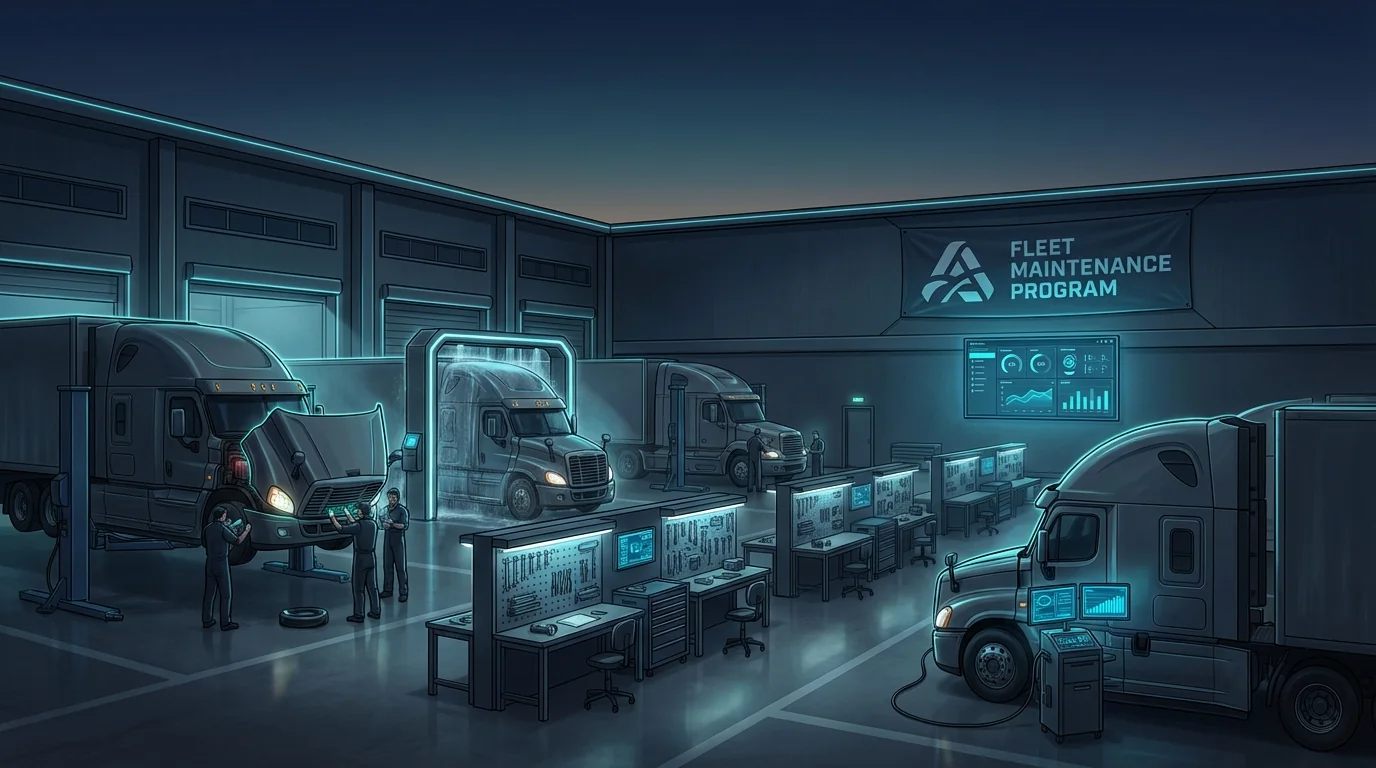
Documented maintenance programs demonstrate fleet safety commitment to insurers
Fleet Insurance Claims: What to Expect
Understanding how fleet insurance claims work helps you respond quickly when incidents occur and protect your experience rating.
Filing a Fleet Claim
Report claims to your broker immediately—ideally within 24 hours. Fleet policies have centralized claims handling, meaning one adjuster manages all your vehicles. Provide driver statements, photos, police reports, and witness information promptly.
Experience Rating Impact
Fleet claims affect your experience modification factor. One at-fault accident can increase premiums 15-25% at renewal. Multiple claims may trigger non-renewal. The impact diminishes over 3-5 years if you maintain a clean record.
Subrogation & Recovery
If another party caused the accident, your insurer pursues subrogation to recover costs. Successful recoveries can reduce the claim's impact on your experience rating—another reason thorough documentation matters.
Fleet Claims Best Practices
Install dash cams on all units, train drivers on incident reporting, and conduct post-accident safety reviews. Some insurers offer claims forgiveness for fleets with strong safety programs and clean 3-year histories.
Industry Classification Codes
Fleet insurance premiums are determined by operation classifications. Fleet operators are categorized by NAICS codes (484110 for local, 484121 for long-distance) with corresponding WSIB and ISO ratings.
Ontario Trucking Insurance Classification Reference
Cross-reference table for NAICS, WSIB, ISO, and NCCI codes
| Category | NAICS (i) | WSIB (i) | ISO (i) | Risk Level | Avg. Premium |
|---|---|---|---|---|---|
| General Freight Trucking, Long-Distance Long-haul trucking operations exceeding 150km radius | 484121 | 70220 | CA 7219 | High | $12,000 - $18,000/year |
| General Freight Trucking, Local Local delivery within 150km radius | 484110 | 70210 | CA 7218 | Medium | $6,000 - $10,000/year |
| Specialized Freight - Refrigerated Temperature-controlled cargo transport | 484230 | 70230 | CA 7228 | High | $14,000 - $22,000/year |
| Specialized Freight - Flatbed/Heavy Haul Oversized loads, machinery, construction equipment | 484220 | 70230 | CA 7222 | Very High | $18,000 - $28,000/year |
| Specialized Freight - Tanker/Hazmat Hazardous materials, fuel, chemicals | 484230 | 70240 | CA 7229 | Very High | $22,000 - $35,000/year |
| Used Household Goods Moving Residential and commercial moving services | 484210 | 70220 | CA 7217 | Medium | $8,000 - $14,000/year |
| Dump Truck Operations Construction materials, aggregate hauling | 484220 | 70230 | CA 7216 | High | $10,000 - $16,000/year |
| Tow Truck/Wrecker Services Vehicle recovery and towing | 488410 | 70250 | CA 7227 | High | $12,000 - $20,000/year |
Note: Premium estimates are based on 2024 Ontario market rates for operators with clean CVOR records. Actual premiums vary based on experience, claims history, fleet size, and cargo type. Get a personalized estimate →
Get Your Fleet Insurance Quote
Free quotes from licensed Ontario brokers