
 Jennifer Oegema, BBA, CAIB, CPIB
 Ontario Trucking Insurance is a network of RIBO-licensed insurance brokers specializing in commercial trucking. All content is written and reviewed by active industry professionals with direct underwriting experience. Expert review by Jennifer Oegema, BBA, CAIB, CPIB (Oegema, Nicholson & Associates), edited by Adam Mitchell (Mitch Insurance Brokers). Our editorial standards →
What Is Box Truck Insurance?
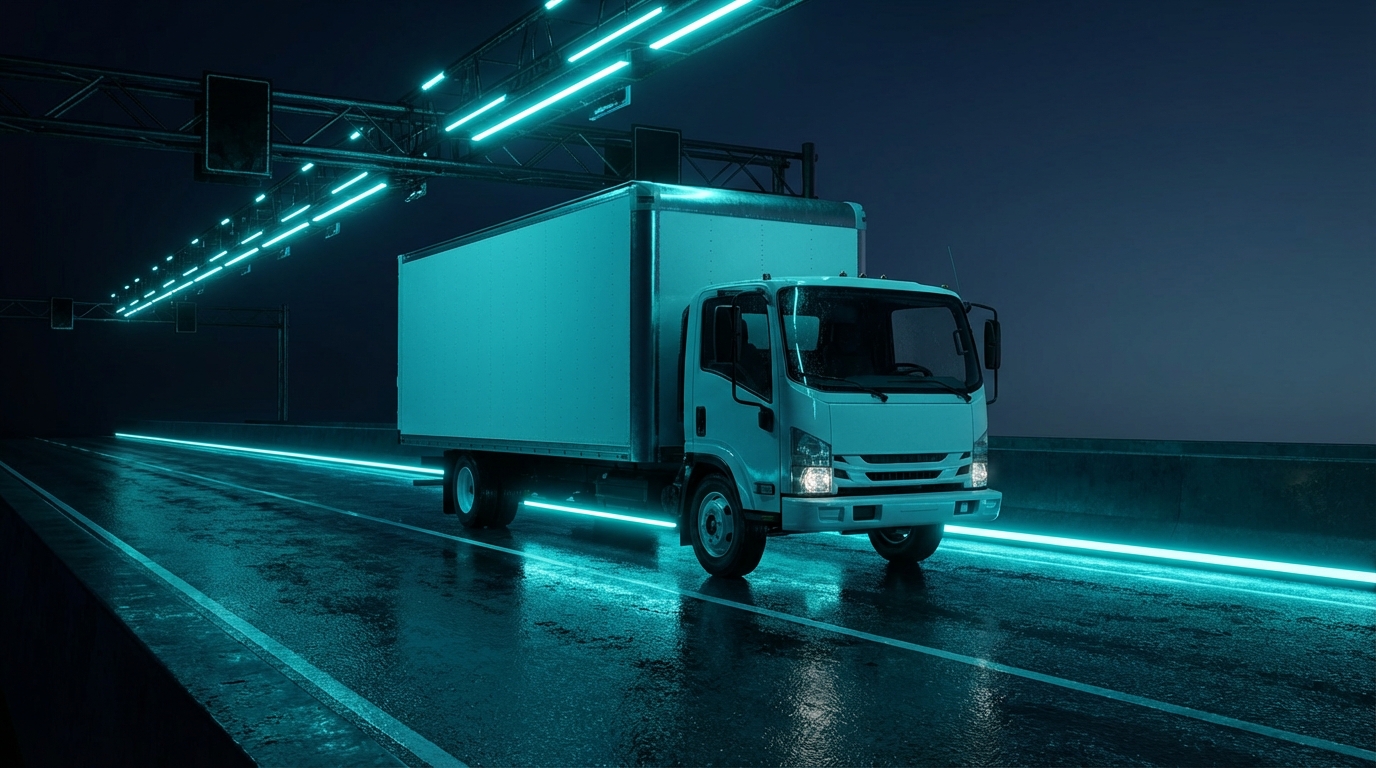
Box truck insurance is a type of commercial truck insurance that covers straight trucks (typically 16ft to 26ft) where the cargo area and cab are attached to a single frame. It addresses the unique risks of 'last mile' delivery, frequent stops, and urban navigation.
Key Features:
- Mandatory $2,000,000 Third Party Liability (standard for most contracts)
- Motor Truck Cargo coverage tailored to bill of lading requirements (usually $100k+)
- Compliance with CVOR requirements for vehicles with a gross weight over 4,500 kg

Comprehensive coverage protects your trucking operation
Why Do You Need This Coverage?
MTO & CVOR Compliance
If your box truck's registered gross weight exceeds 4,500 kg, you are legally required to have a CVOR. Insurers require a valid CVOR level II abstract to bind coverage.
Contractual Demands
Major logistics partners (Amazon, FedEx, DHL) and freight brokers require specific certificate wording and minimum liability limits of $2M to $5M before you can move a single load.
High-Frequency Risk Protection
Box trucks have the highest frequency of minor claims (backing accidents, side-swipes in tight city streets) which can average $15,000+ in repairs and downtime.
Pricing Overview
| Category | Annual Premium | Key Factors |
|---|---|---|
| New Venture (0-3 Years) | $12,000 - $18,000 | High risk. Premiums are highest in the GTA (Brampton/Mississauga/Toronto). Requires 25-35% down payment. |
| Experienced Owner-Operator | $6,500 - $9,500 | Requires 3+ years of commercial driving history and a clean CVOR. Rates drop significantly outside the GTA. |
| Small Fleet (5+ Units) | $5,500 - $8,000 | Per-unit pricing decreases with fleet policies. Insurers look for formal safety manuals and maintenance logs. |
Coverage Components
Third-Party Liability
Covers bodily injury and property damage to others. While Ontario statutory minimum is lower, industry standard is higher.
$2,000,000 - $5,000,000Motor Truck Cargo
Protects the freight you are hauling against theft, fire, or collision damage.
$100,000 - $250,000Commercial General Liability (CGL)
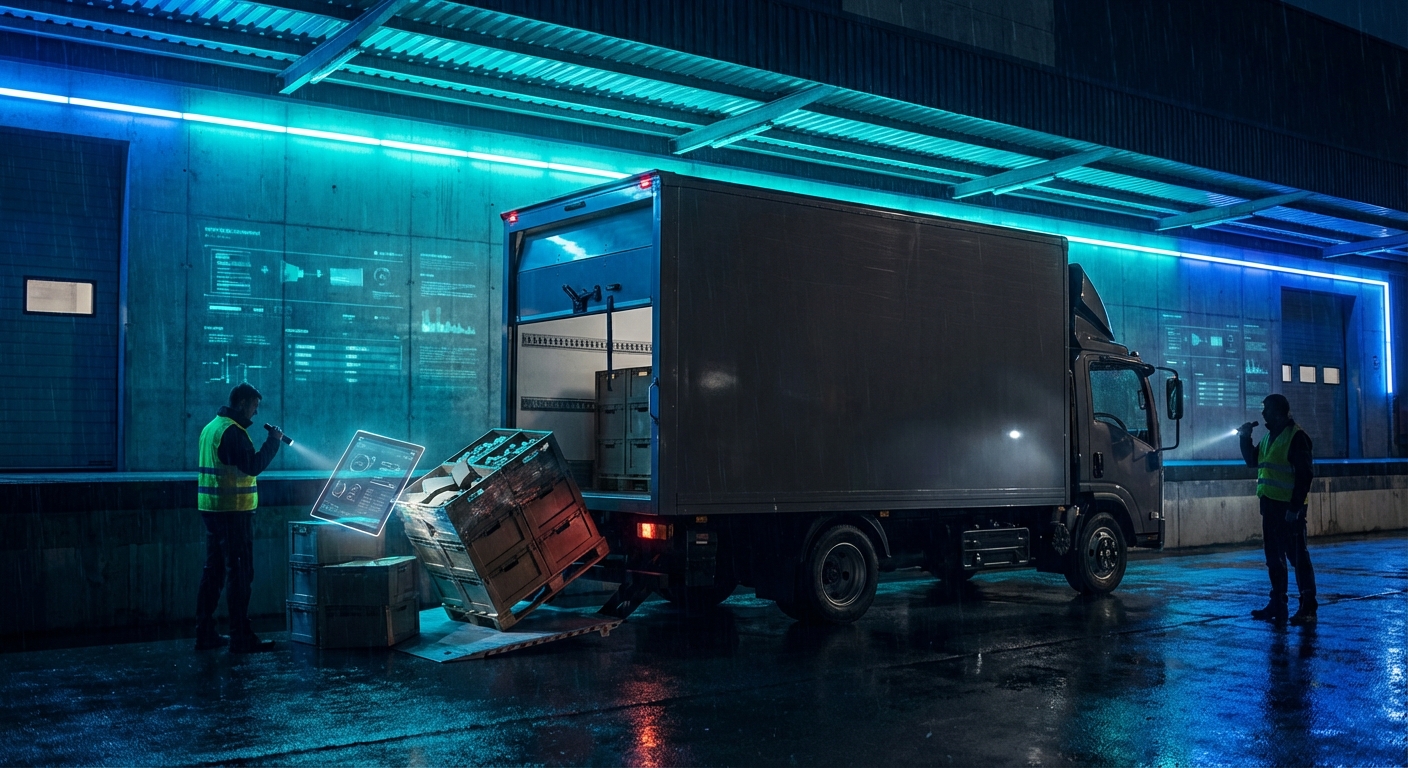
Crucial for box trucks doing deliveries. Covers non-driving incidents, like a driver slipping and dropping a crate on a customer's foot.
$2,000,000Physical Damage
Collision and Comprehensive coverage for your truck itself. Includes 'Gap' coverage for leased vehicles.
Actual Cash ValueWhat Affects Your Premium
💡 Garaging in Peel Region (Brampton/Mississauga) is the most expensive in Canada due to claim frequency.
💡 A 'Local' radius (under 160km) is generally cheaper than 'Long Haul' due to less highway exposure.
💡 Most insurers strictly require drivers to be over 25 with 3 years of commercial experience.
Real Claim Examples
Understanding how insurance works in practice helps you appreciate why proper coverage matters.
The Low Bridge Incident
A driver in a rental 26ft box truck attempted to pass under a rail bridge on Parkside Dr in Toronto. The top of the box was sheared off.
The Loading Dock Slip
While unloading furniture at a residential home in Oakville, a driver slipped on ice and the heavy cabinet fell, damaging the homeowner's expensive hardwood floor and injuring the homeowner.
The 401 Rear-End
A box truck failed to stop in time for traffic near Milton on the 401, hitting a luxury sedan. The sedan was a write-off and the driver claimed soft tissue injuries.
Pro Tips to Lower Your Premium
Install Dash Cams
Some insurers offer a 5-10% discount for front-facing and driver-facing cameras. More importantly, it exonerates you in 'he-said-she-said' accidents.
Manage Your CVOR Aggressively
Insurers review your CVOR monthly. A rating dropping below 70% can trigger a non-renewal. Fight every ticket.
Bundle Fleet Policies
If you have 5+ units, move from individual policies to a fleet policy. This allows you to add/remove drivers without individual underwriting approval.
Get Your Box Truck Insurance Quote
Free quotes from licensed Ontario brokers
Frequently Asked Questions
Do I need a specific license to drive a box truck in Ontario?
It depends on the weight. If the truck's registered gross weight is over 11,000 kg (common for 24-26ft trucks), you need a Class D license. Under 11,000 kg can be driven with a Class G, but insurance requirements may be stricter.
Why is my quote so high if I have a perfect driving record?
Commercial trucking insurance rates are based on the 'class' of business. Box trucks in Ontario currently have a high loss ratio due to theft and frequency of accidents in the GTA, affecting base rates for everyone.
Can I pause my insurance if I don't have loads?
Generally, no. Commercial policies are annual contracts. Canceling mid-term usually incurs a 'short-rate' cancellation penalty (approx 25% of unearned premium), and a gap in coverage makes you look 'high risk' to future insurers.