
 Marcus Reid, CIP, CAIB
 Ontario Trucking Insurance is a network of RIBO-licensed insurance brokers specializing in commercial trucking. All content is written and reviewed by active industry professionals with direct underwriting experience. Expert review by Marcus Reid, CIP, CAIB (Reid Commercial Insurance), edited by Marcus Reid (Reid Commercial Insurance). Our editorial standards →
Key Takeaway: Establishing a compliant and fully protected transportation business in Ontario requires a baseline combination of at least $2M Third-Party Auto Liability, Motor Truck Cargo, and Commercial General Liability (CGL) coverage. For new authorities registering their Commercial Vehicle Operator's Registration (CVOR), initial premiums typically range from $12,000 to $18,000 per power unit annually, scaling based on the carrier's safety rating, operating radius, and the specific commodities hauled.

Proper corporate insurance is required by law under MTO Regulation 424/97 and is the first thing shippers check before signing a contract.
What Is Commercial Transport Coverage?
When you transition from being a single owner-operator to running a fully registered logistics business, your risk profile fundamentally changes. Commercial transport coverage is a robust package of policies designed to protect the corporate entity, its assets, and its employees. Rather than just insuring a single truck, this coverage wraps around the entire operation—from the vehicles on the road to the physical office and the freight being transported.
As Marcus Reid, Principal Broker at Reid Commercial Insurance, notes: "A properly structured corporate policy is your company's strongest financial shield. In Ontario, one major liability claim or a severe cargo theft can easily exceed $1,000,000. Without the right commercial general liability and broad-form cargo provisions, a single incident can force a growing carrier into immediate bankruptcy."
A Standard Corporate Policy Typically Covers:
- Third-Party Auto Liability — Mandatory coverage for bodily injury or property damage caused by your vehicles (standard limit is $2,000,000 to $5,000,000).
- Physical Damage — Collision and comprehensive protection for your owned tractors and trailers against accidents, fire, theft, and vandalism.
- Motor Truck Cargo — Protection for the freight you are hauling. Required by all major shippers and brokers to secure high-paying loads.
- Commercial General Liability (CGL) — Protection against off-road risks, such as a slip-and-fall at your dispatch office or damage caused during loading/unloading operations.
- Trailer Interchange — Physical damage coverage for non-owned trailers pulled under a written interchange agreement.
By bundling these coverages together into a unified fleet insurance program, transportation businesses can eliminate gaps in coverage and streamline their claims process when major incidents occur.
What's NOT Covered
Standard packages do not automatically cover specialized risks such as hazardous materials (Hazmat), occupational injuries to your drivers (which requires WSIB or Occupational Accident Insurance), or cross-border environmental restoration (which requires an MCS-90 endorsement). Furthermore, deliberate illegal acts or operating with an invalid CVOR will void your coverage entirely.
Why Do You Need Corporate Fleet Protection?
MTO Regulatory Compliance
Under Ontario’s Highway Traffic Act and MTO Regulation 424/97, heavy commercial vehicles cannot legally operate without proof of financial responsibility. Maintaining valid insurance is a strict requirement to keep your CVOR active and avoid heavy fines or vehicle impoundment.
Securing Freight Contracts
Top-tier shippers and freight brokers will not award loads to carriers with inadequate protection. Most demand certificates showing a minimum of $2M in liability and $100,000 in broad-form cargo coverage before signing a contract.
Shielding Corporate Assets
The average commercial collision claim in Ontario often exceeds $1,000,000. Without adequate liability limits, accident victims can sue your corporate entity directly, liquidating your business assets and equipment to satisfy the judgment.
Surviving Cargo Theft
With cargo theft rates surging in the Greater Toronto Area (particularly the Peel Region), losing a $215,000 load of electronics or pharmaceuticals can ruin cash flow. Proper cargo insurance ensures your business remains solvent after a major theft.
How Much Does Carrier Insurance Cost?
For a standard logistics operation in Ontario, average premiums sit between $12,000 and $18,000 per power unit per year for new authorities, often dropping below $10,000 per unit once the company establishes a three-year history of clean operations. Pricing is highly individualized based on the components you select.
| Coverage Component | Typical Limit | Estimated Annual Premium (Per Unit) |
|---|---|---|
| Third-Party Auto Liability | $2,000,000 | $7,000 – $10,000 |
| Physical Damage (Collision/Comp) | Actual Cash Value | 3% to 5% of equipment value |
| Motor Truck Cargo | $100,000 - $250,000 | $1,000 – $2,500 |
| Commercial General Liability (CGL) | $2,000,000 | $600 – $1,500 (Base Policy) |
| Trailer Interchange | $50,000 per trailer | $300 – $800 |
| Cross-Border / U.S. Endorsement | MCS-90 / FMCSA Compliance | $1,000 – $2,500 Surcharge |
Factors That Affect Your Corporate Rate:
Real Claim Examples
Theory is one thing, but actual accidents demonstrate exactly why a robust policy structure is vital. Here are three recent scenarios where an Ontario transportation company had to rely heavily on its broker and its policy to stay afloat.
Highway 401 Multi-Vehicle Collision
A mid-sized logistics firm's tractor-trailer was involved in a multi-vehicle pileup on Highway 401 near Milton during a severe winter storm. The crash caused massive property damage and bodily injury to three third parties.
Targeted Electronics Cargo Theft
A newly formed carrier left a loaded trailer containing high-value electronics overnight at an unmonitored yard in Brampton. Organized thieves breached the fence and stole the entire load.
Loading Dock Injury Incident
While making a delivery at a distribution center in Mississauga, a transportation company's driver accidentally knocked over a pallet, severely injuring a warehouse worker.
Ontario Regulations and CVOR Requirements for Transportation Businesses
In Ontario, the Ministry of Transportation (MTO) governs commercial trucking through the CVOR safety rating system. Before your business can legally deploy vehicles with a gross weight over 4,500 kg, you must secure a Commercial Vehicle Operator's Registration.
When you register a new business, you are assigned a "New" safety rating. Insurance providers view "New" operations cautiously because they lack a proven track record of maintaining hours-of-service logs, conducting daily inspections, and adhering to MTO Regulation 424/97. Over time, clean facility audits and lack of on-road infractions elevate your status to "Satisfactory - Unaudited" or "Satisfactory," which unlocks premium discounts from standard insurance markets.
Additionally, if your business utilizes independent contractors (owner-operators), it is vital to mandate that they carry proper WSIB (Workplace Safety and Insurance Board) clearance or valid Occupational Accident Insurance. Failing to do so can leave your corporate entity liable for a contractor's severe on-the-job injuries.
The "Conditional" Rating Trap
If your company accumulates too many speeding tickets, out-of-service violations, or at-fault accidents, the MTO may downgrade your CVOR rating to "Conditional." An immediate consequence of this downgrade is that standard insurance carriers may cancel your policy at renewal, forcing you into expensive "high-risk" markets where premiums can surge by 50% or more.
Tips to Lower Your Carrier Premiums
Enforce Strict Hiring Criteria
Hire drivers with clean abstracts and a minimum of 3 years of verifiable commercial experience. Inexperienced drivers are the leading cause of premium spikes for new companies.
Invest in Telematics and Dash Cams
Equipping your fleet with GPS telematics and dual-facing dash cameras can prove your drivers are not at fault in disputed collisions, saving your loss run record and earning hardware discounts from carriers.
Raise Physical Damage Deductibles
Increasing your physical damage deductible from $2,500 to $5,000 can yield immediate upfront premium savings, provided your business maintains enough cash reserves to cover minor fender benders out-of-pocket.
Maintain Flawless Logbooks
Ensure your safety and compliance manager strictly monitors Electronic Logging Devices (ELDs) and pre-trip inspections to prevent out-of-service violations that degrade your CVOR score.
Work with a Specialized Commercial Broker
Do not use a standard home-and-auto broker for a transportation enterprise. A specialized Ontario commercial broker knows how to present your risk profile accurately to underwriters to negotiate the best rates.
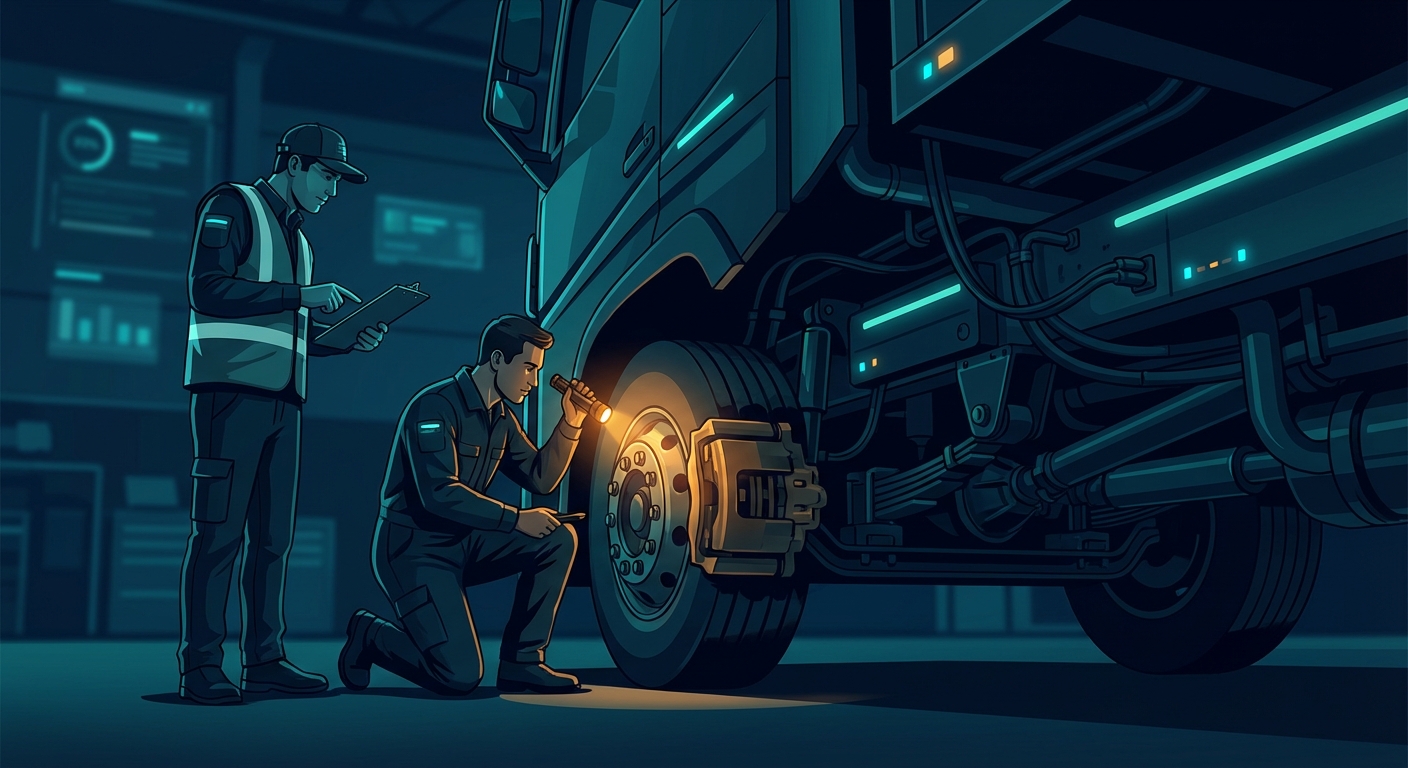
Proactive safety measures, like enforcing the use of ELDs and dual-facing dash cameras, directly improve your CVOR rating and lower annual premiums.
Get Your Trucking Business Insurance Quote
Free quotes from licensed Ontario brokers
Frequently Asked Questions
How much does insurance cost for a new transportation business in Ontario?
For a newly registered carrier in Ontario, comprehensive coverage typically costs between $12,000 and $18,000 per power unit annually. This higher initial rate is due to the lack of a proven Commercial Vehicle Operator's Registration (CVOR) safety record. Rates generally decrease significantly after three years of clean, claim-free operations.
What is the minimum liability coverage required for Ontario carriers?
Under Ontario law, commercial trucks must carry a bare minimum of $200,000 in third-party liability. However, virtually all shippers, freight brokers, and the MTO effectively require a minimum of $2,000,000 in liability coverage for inter-provincial and heavy transport operations.
Does a logistics business need Commercial General Liability (CGL)?
Yes. While auto liability covers accidents involving the truck itself, Commercial General Liability (CGL) covers your business for non-vehicle risks. This includes bodily injuries at your corporate office, property damage caused during loading or unloading at a third-party dock, and advertising liability.
How does my CVOR rating affect my corporate insurance premiums?
Your CVOR safety rating directly impacts your operating costs. An 'Excellent' or 'Satisfactory' rating can yield premium discounts of 10% to 20%, while a 'Conditional' rating will trigger significant surcharges, mandatory audits, or result in immediate policy non-renewal from standard markets.
If I expand to cross-border U.S. freight, do my coverage requirements change?
Yes. If your Ontario-based enterprise hauls freight into the U.S., you must comply with Federal Motor Carrier Safety Administration (FMCSA) rules. This includes carrying an MCS-90 endorsement, which guarantees financial responsibility for environmental restoration and public liability across international borders.
Related Coverage Options
This content is for informational purposes only and does not constitute insurance, legal, or financial advice. Insurance requirements, regulations, and pricing vary significantly based on individual business operations. Always consult a licensed Ontario commercial insurance broker for advice specific to your logistics enterprise.